
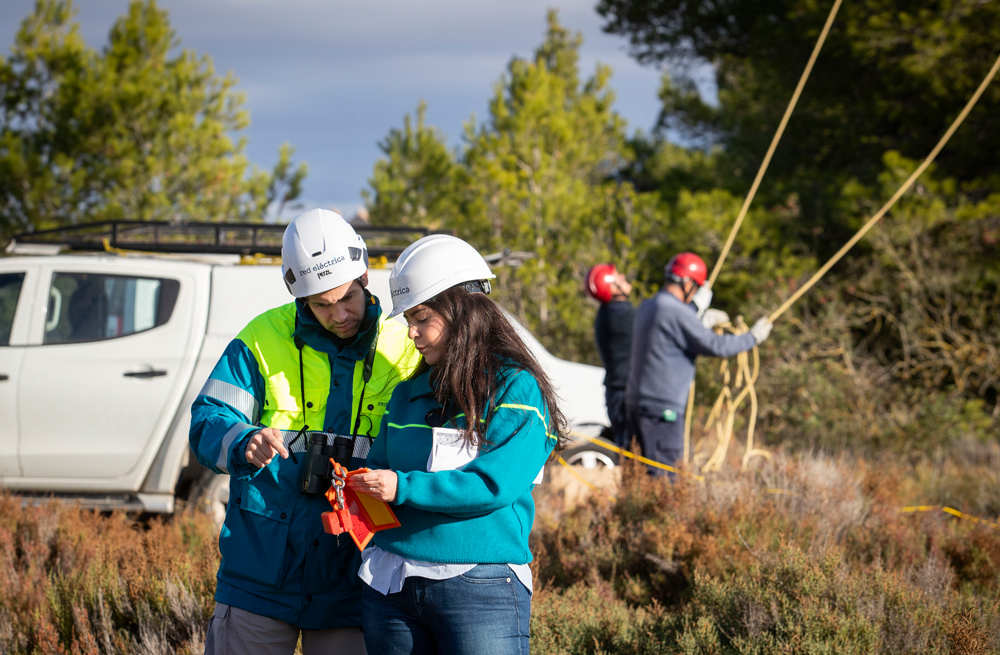
Discover what Red Eléctrica is, what we do, and why we are the backbone of the electricity system in Spain and the ecological transition.
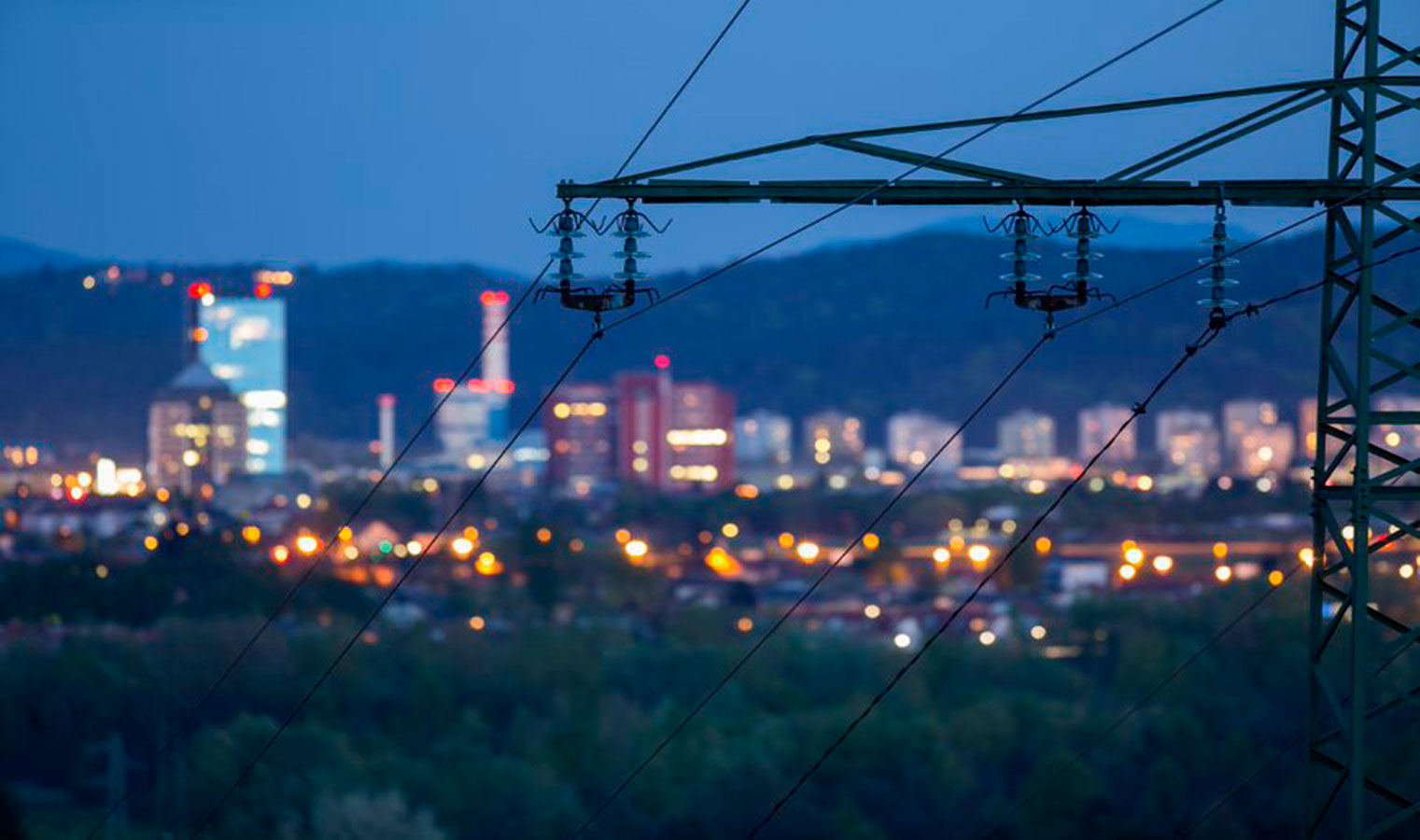
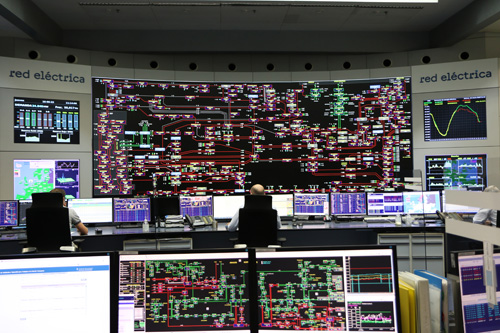
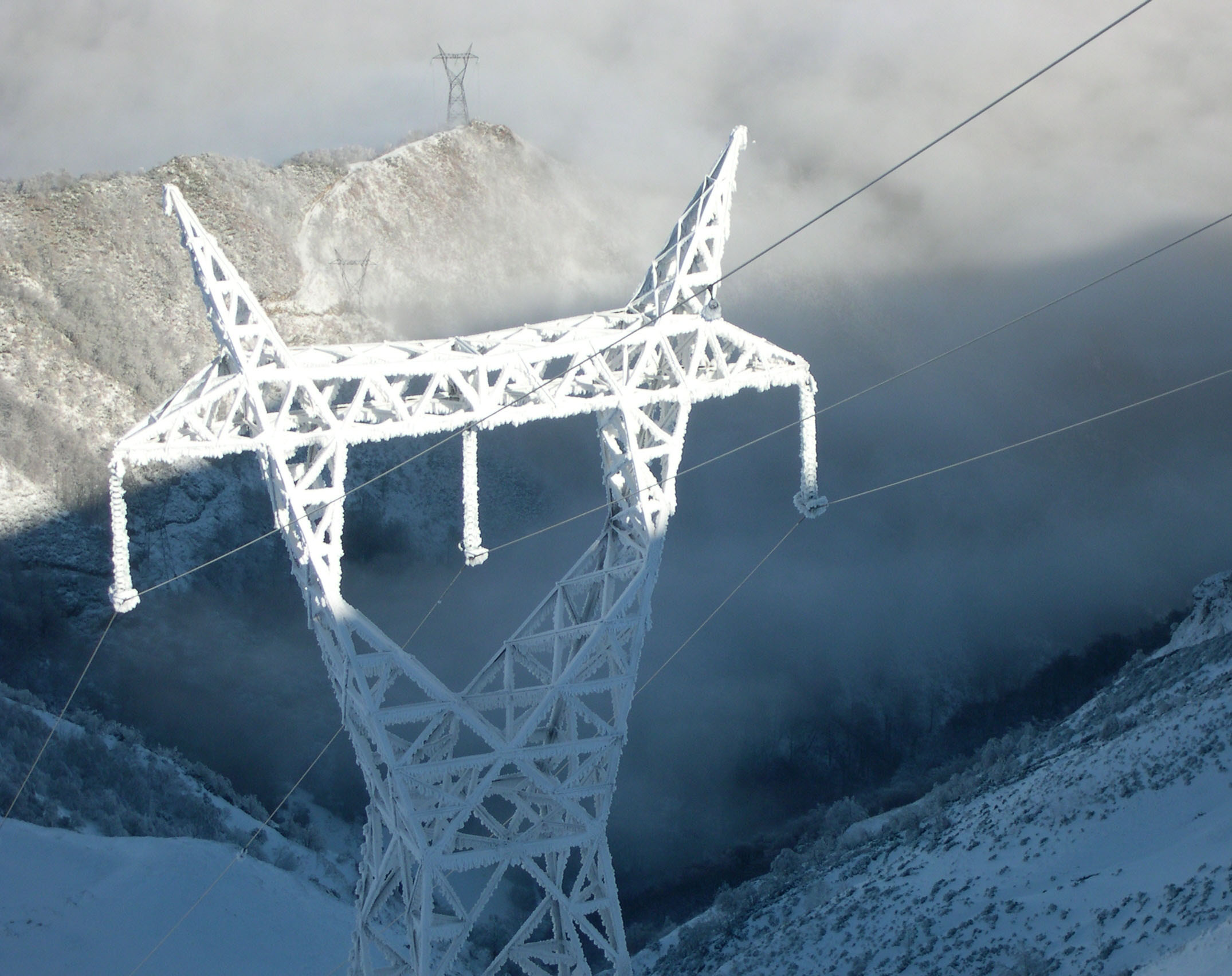
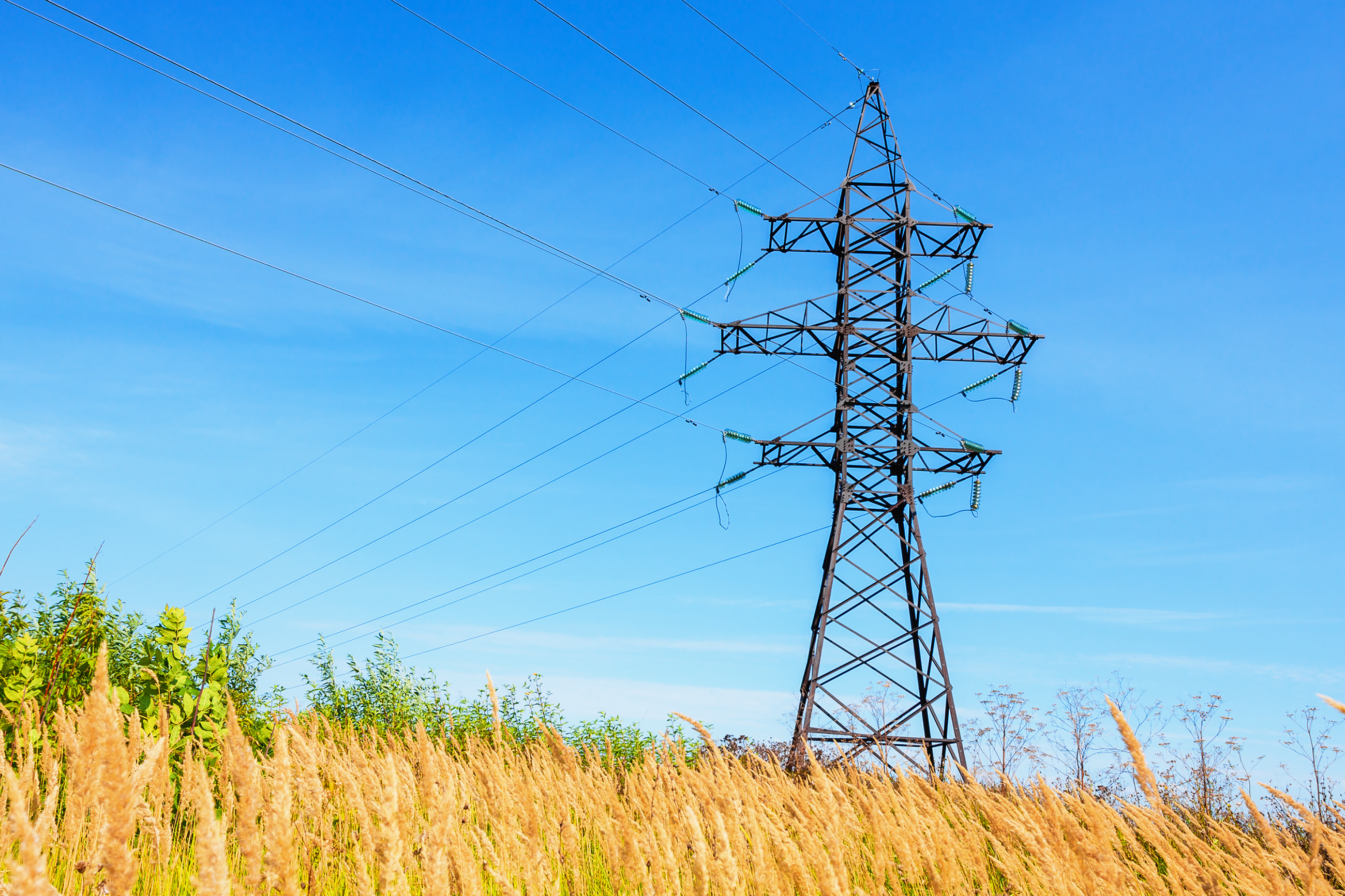

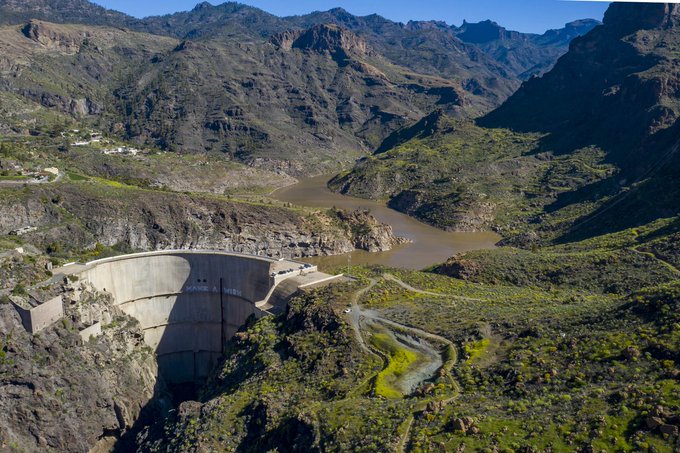
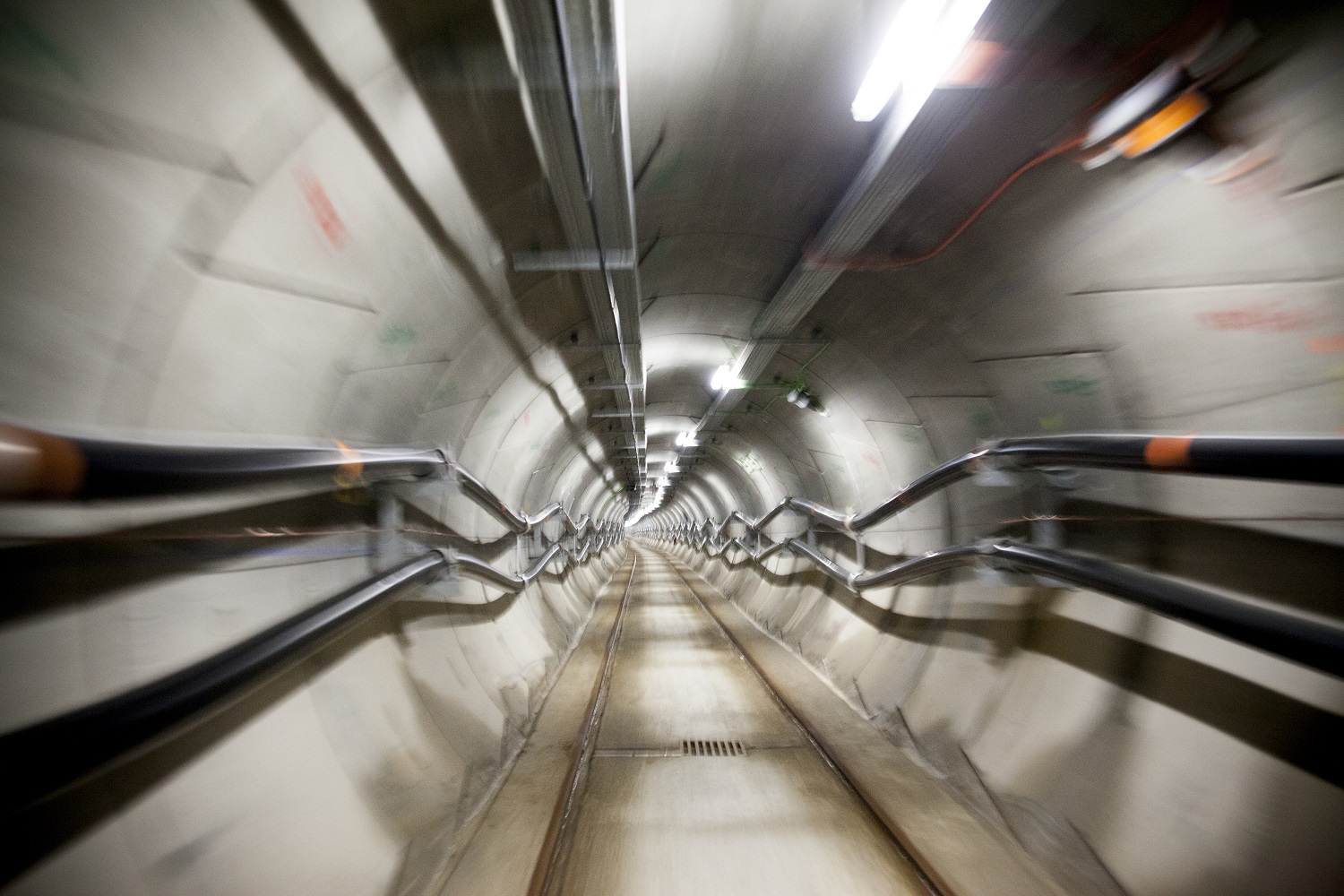





Our goal: to drive the green and digital transformation and we do so with a plan that is realistic, honest and fully transparent and is a true reflection of our purpose: to guarantee the electricity supply and ensure connectivity, driving a green transition that is fair and based on sustainability criteria, showcasing our neutrality and contributing to social and territorial cohesion.


Red Eléctrica has reached its 35th anniversary. During all these years, the company has assumed a responsibility to develop a business model that is capable of converting challenges into opportunities, relying on foundations of excellence, innovation, integrity, honesty and combining its business activities with care for the environment and the creation of shared value with society.

Red Eléctrica needs to play a leading role in the energy transition of our country. This will require us to take on enormous challenges as transmission agent and operator of the electricity system that we will need to face through innovation.

4 priorities identified as the drivers to respond to the challenges and opportunities that the Company faces.

The Red Eléctrica Group has undertaken a commitment to sustainability which is strategic, cross-cutting and with a long-term vision.

Can you imagine life without electricity? We have a 30-year track record operating a system with an installed power capacity of 100 GW and managing a vast high-voltage transmission grid. We are also pioneers in the safe integration of renewables.

Red Eléctrica, through a collaboration agreement with the Regional Government of Navarra, participates in the radio-tracking of several breeding pairs of Golden Eagles located in different ecosystems of the Foral Community of Navarra.
Video 'Minimising the risk of collision'. Red Eléctrica designs nationwide line-marking plans, which incorporate data regarding the routes and flight paths of birds which are most prone to collision, identifying areas where birdlife is potentially at risk.