Discover what Red Eléctrica is, what we do, and why we are the backbone of the electricity system in Spain and the ecological transition.



Self-consumption
Self-consumption
Nowadays, individuals and businesses have the ability to generate electricity for their own use. This concept is known as self-consumption.
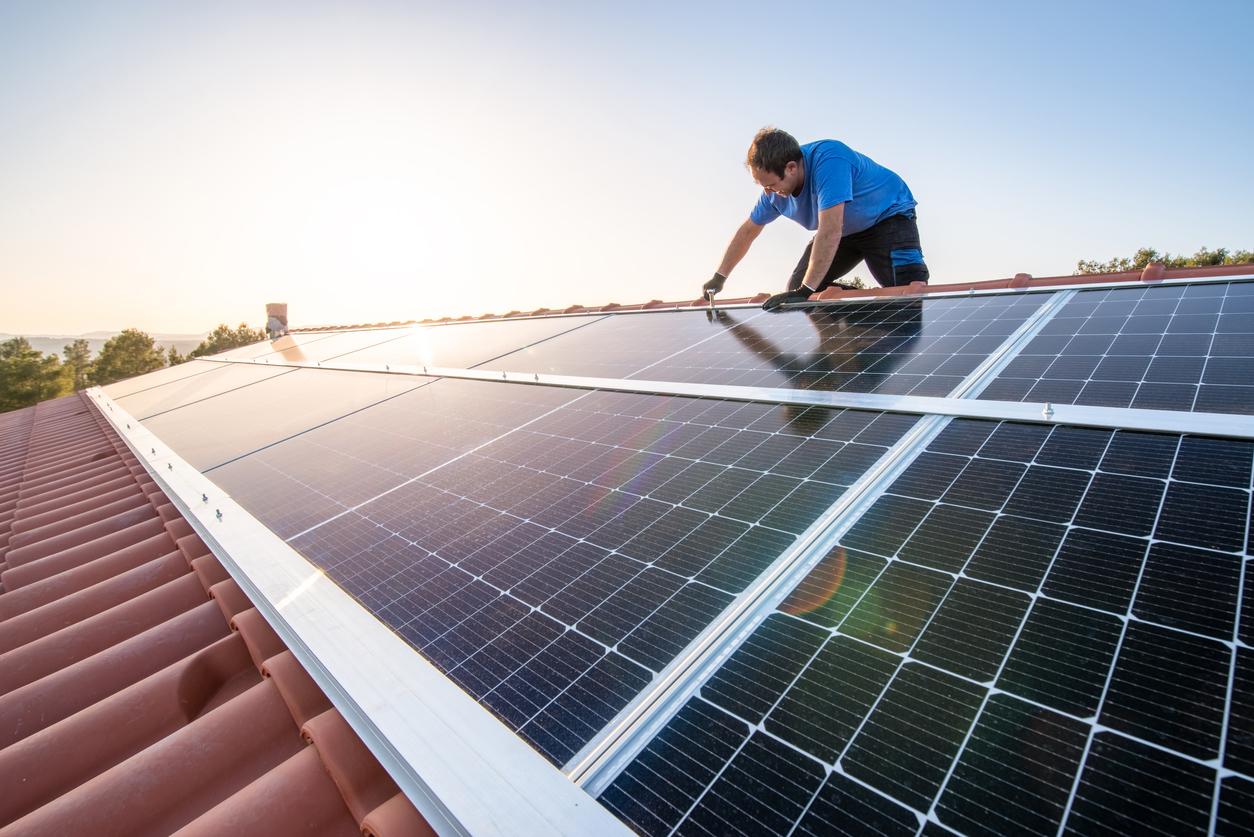
A Tool that Empowers Consumers
Self-consumption enables consumers to produce and use their own electricity. It plays an increasingly significant role in the energy transition as it empowers consumers, promotes electrification, and aids in reducing emissions.
According to the National Integrated Energy and Climate Plan, there is a goal of achieving 19 GW of solar self-consumption by 2030.


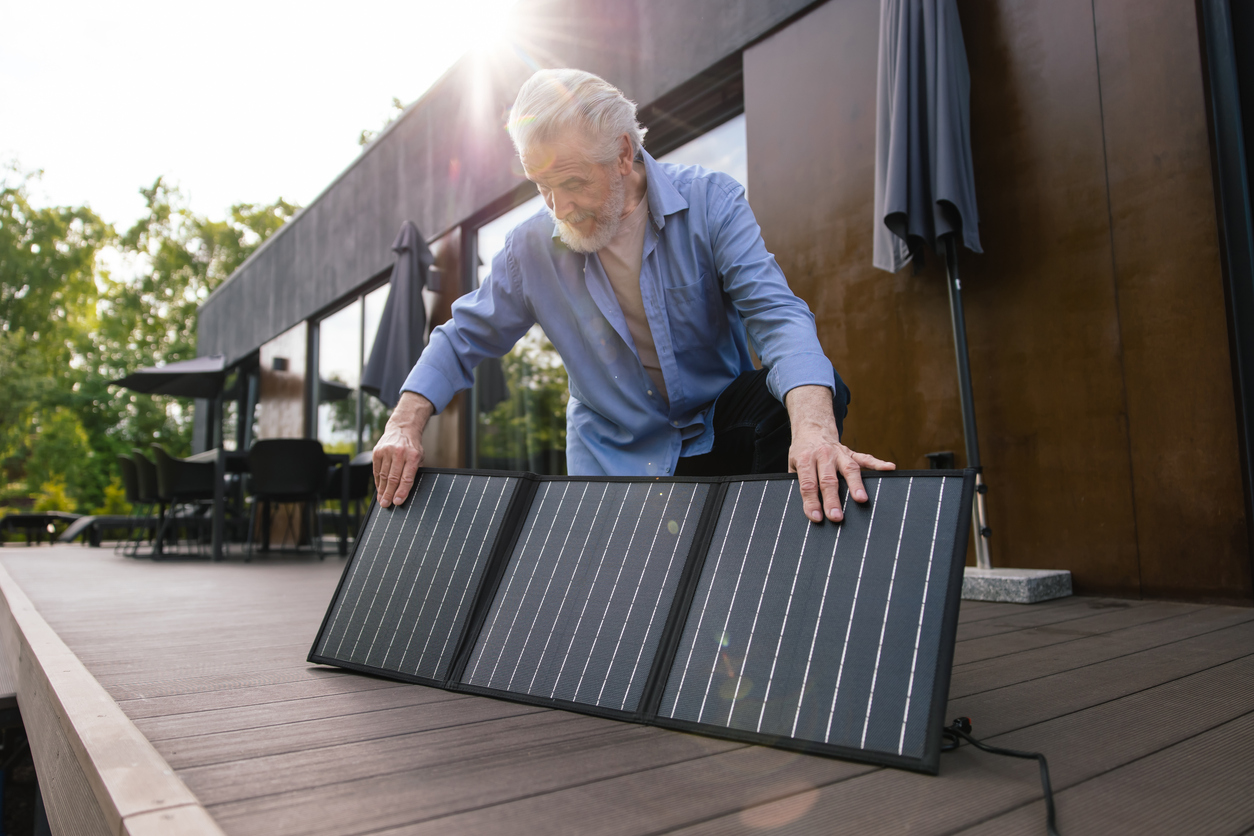

Varieties of Self-consumption
Self-consumption involves the setup of photovoltaic solar panels or other renewable energy sources in residences, businesses, or communities. How many categories of self-consumption exist?

Self-consumption can be classified as either individual or collective, depending on whether multiple connected consumers are supplied with the generated energy.
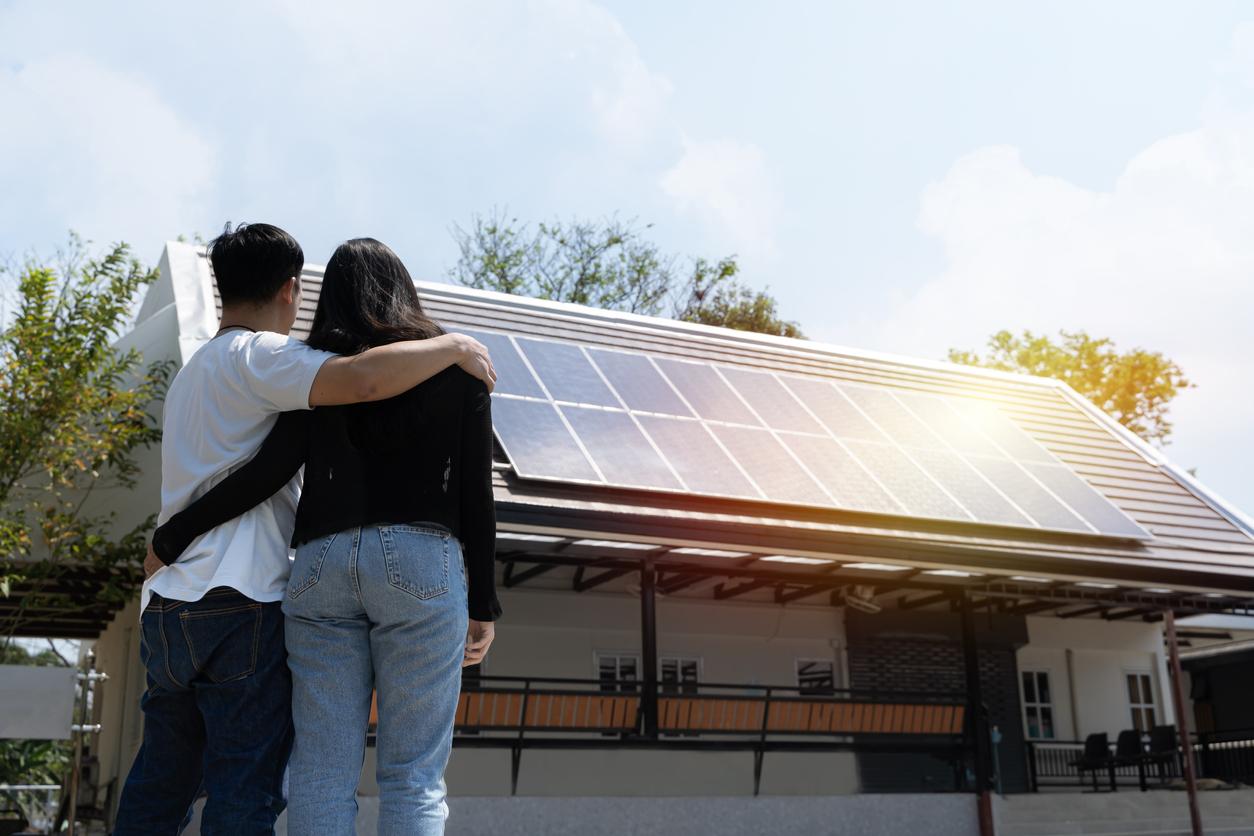
Self-consumption with surpluses, if the facilities allow the generated energy that is not going to be self-consumed or self-consumption without surpluses to be dumped into the grid, it has a device that prevents this discharge.

Within the self-consumption with surpluses category, there can be two cases: one that is covered by an economic compensation mechanism and one that sells the surplus directly on the market.
Red Eléctrica and self-consumption
Red Eléctrica publishes information on self-consumption power capacity and energy. Regarding power capacity, the source data is available in the Electricity Measurement System (SIMEL) provided by distributors in compliance with current regulations, and is complemented by estimates carried out by the System Operator (SO). Generated energy, meanwhile, is obtained from meter readings available in SIMEL, together with SO estimates.
All this data can now be consulted in the Data section and in the space dedicated to the demand curve on www.ree.es, as well as on its redOS app and on its eSIOS information platform www.esios.ree.es.
Specifically, the different platforms collect the following data regarding demand, installed capacity and generation figures:
Demand
In the demand graphs, Red Eléctrica publishes a new demand curve (orange in colour and labelled 'Total scheduled') which is added to the existing ones: 'Forecast' (green), 'Scheduled' (red) and 'Real demand' (yellow). The new curve, already used internally for several years in the System Operator's internal systems, represents the impact of self-consumption by adding to the red 'Scheduled' curve the estimate of the energy produced by self-consumption facilities that is not scheduled in the markets. In addition, the 'Forecast' (green) and 'Real demand' (yellow) curves are modified, also incorporating this self-consumed energy.
Installed capacity
This is derived from the information provided by distributors to the System for Electrical Measurements managed by the System Operator, complemented with estimates on the power capacity of the facilities for which SIMEL does not have information. This monthly data is updated daily, incorporating the best information available at any given time.
The information available on installed capacity is common across all Red Eléctrica information platforms and is broken down by technology and Autonomous Community. Data is offered on total self-consumption power capacity, allowing the breakdown of installed capacity attributed to the different self-consumption technologies. This is in addition to the total installed capacity information, where generation power capacity without self-consumption and storage power capacity are aggregated.
Generation
The data includes information on the energy generated by self-consumption facilities based on the readings of energy meters available in SIMEL for those facilities with a regulatory obligation to report their net generation. Likewise, System Operator estimates are incorporated for facilities currently exempt from said obligation.
Information is published on the destination of this generated energy, indicating what percentage is self-consumed (self-consumed energy) and what percentage is injected into the grid (energy fed into the grid). Self-consumed energy is not measured directly; it is the difference between generated energy (for which there may be a measurement or estimate) and energy fed into the grid (for which there is always a measurement). The same monthly and annual data is published on all Red Eléctrica platforms.
It is important to highlight that a specific Self-consumption area has been created in the Data section of www.ree.es which gathers power capacity and generation with self-consumption. However, data on generation without self-consumption will continue to be published from the existing 'Generation' section, also available within Data. Therefore, the end user will have access to both the information relative to generation without self-consumption, and generation with self-consumption.
The importance of observability
The energy transition is advancing in Spain thanks to the development of the transmission grid and renewable deployment. Complementary vectors such as self-consumption also stand out, empowering the consumer and favouring electrification. For the System Operator, it is essential to have full observability of this entire transformation and of what is happening in the electricity system at any given moment.
This entails greater difficulty regarding self-consumption, with thousands of small power capacity facilities. For this reason, the SO continues working on and improving its measurement and estimation tools and its forecast models to anticipate the behaviour of this vector, with the expectation that in the future these estimates will be replaced by actual measurements.
Self Consumption Platform
Among other actions, we have developed a platform to increase real-time observability of this vector and facilitate its safe integration into the electric system. This platform uses information currently available from measurement devices integrated into the inverters from the manufacturers (Ingeteam so far). The goal of the platform is to define a representative sample of self-consumers (panel) by increasing the number of participating manufacturers.
The Self-Consumption Platform is a collaborative project aimed at facilitating the energy transition. If you are a manufacturer or manager of a self-consumption data platform and you are interested in participating, you can obtain more information through PlataformaAutoconsumo@ree.es