
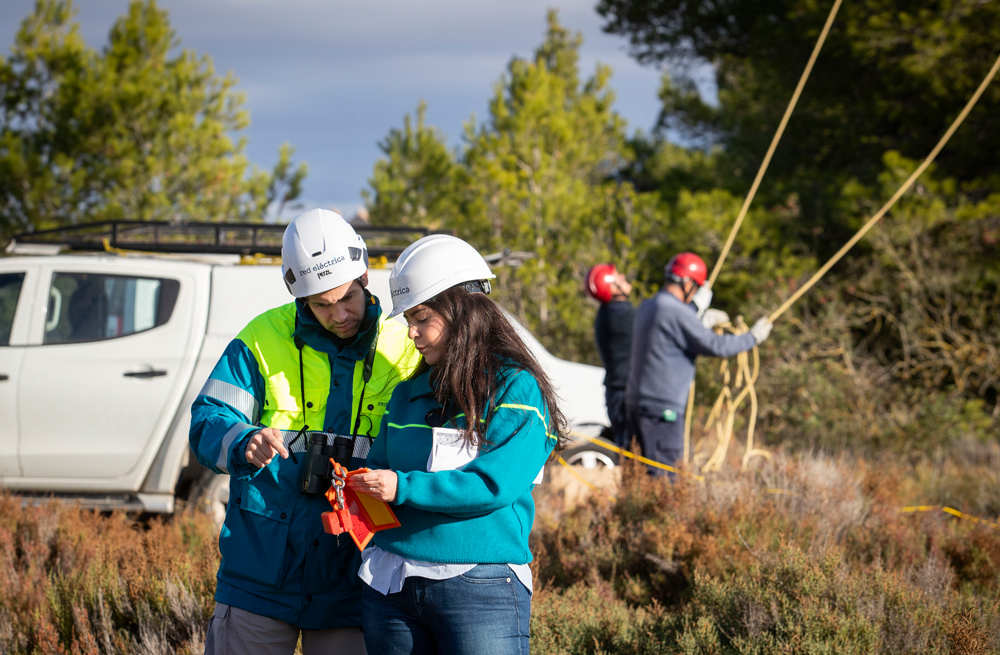
Discover what Red Eléctrica is, what we do, and why we are the backbone of the electricity system in Spain and the ecological transition.
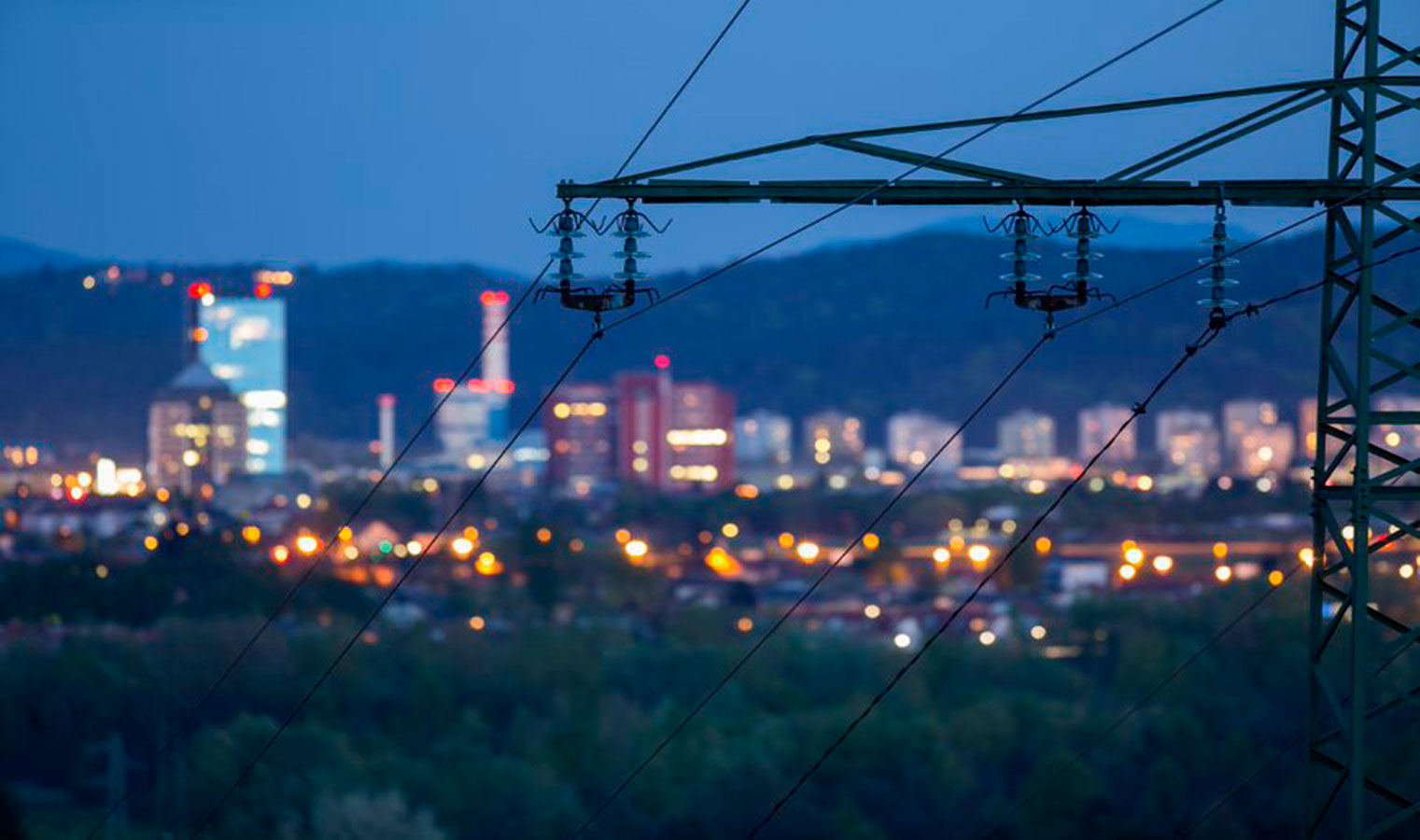
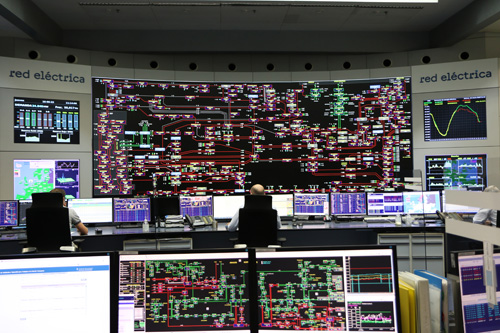
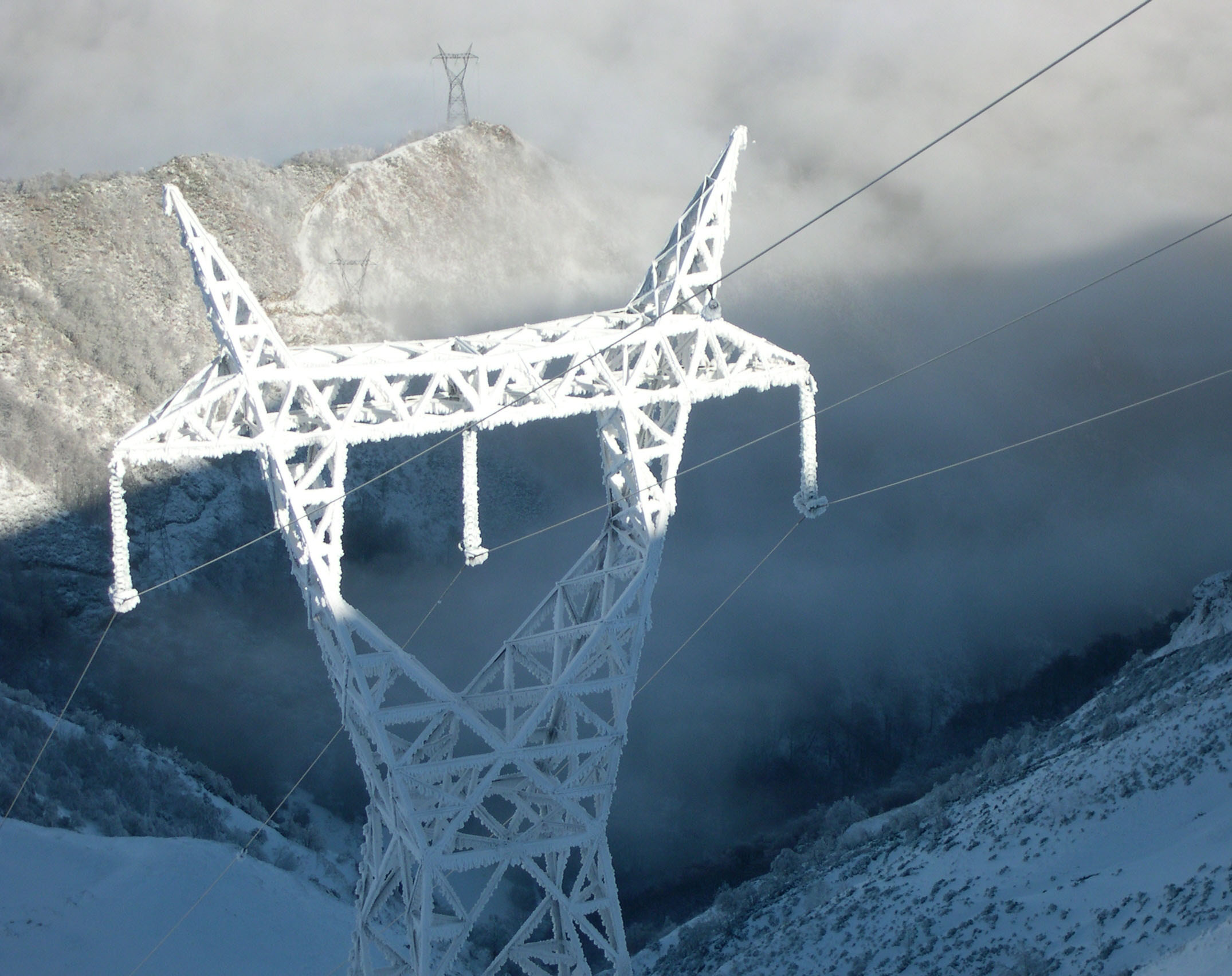
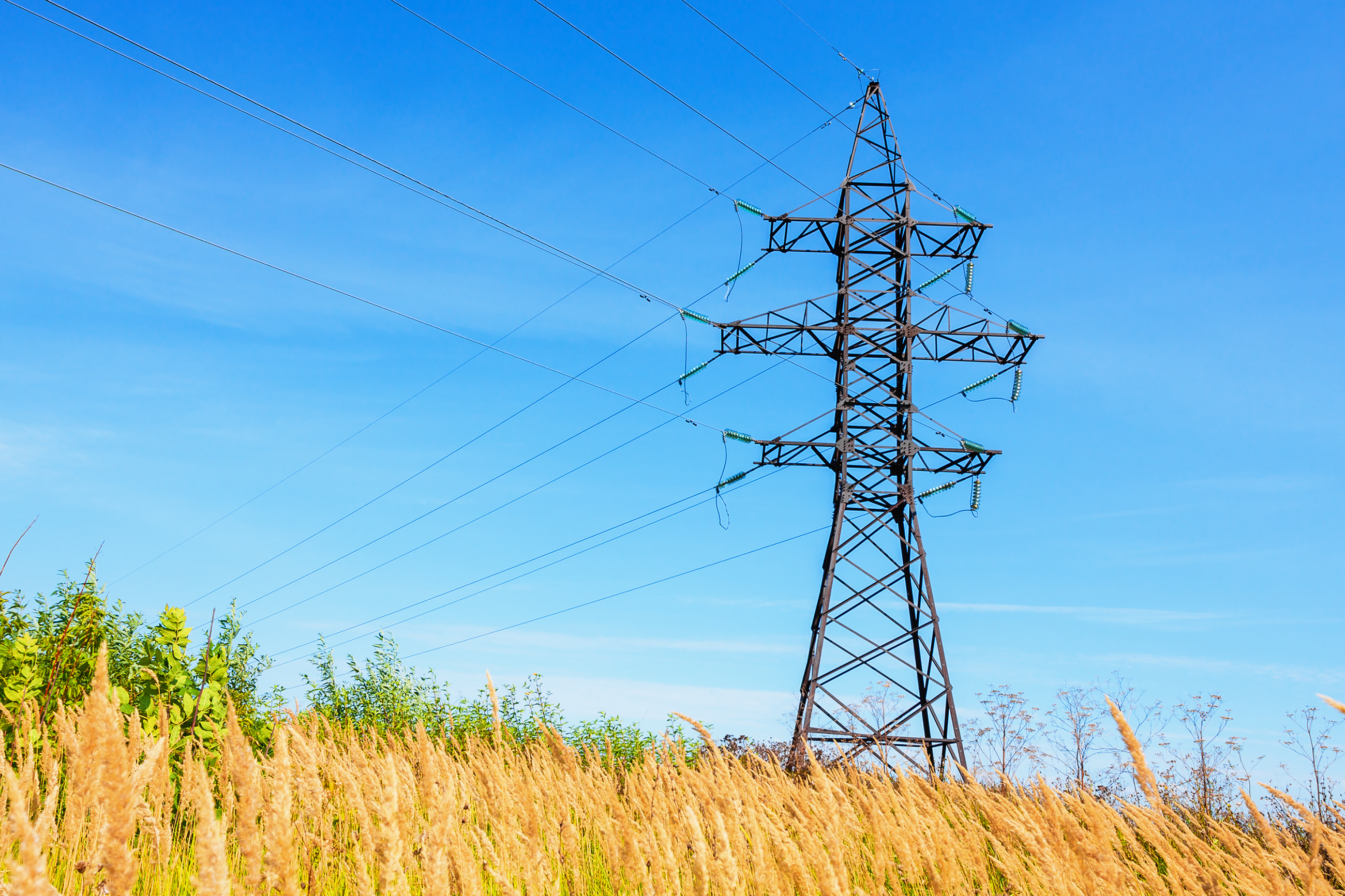




Spain and Portugal inaugurate the new 400 kV northern electricity interconnection, a strategic project for the European Union
The interconnection increases exchange capacity between Spain and Portugal by approximately 1,000 MW, providing greater robustness and efficiency to the peninsular electricity system and driving the ecological transition on both sides of the border.
On the Spanish side, the interconnection involved the development of the Beariz substation, the Beariz–Fontefría line, the Fontefría substation and the Fontefría–Border line.
02/07/2026
Spain and Portugal have inaugurated the new 400 kV electricity interconnection between Pontevedra and Viana do Castelo, an infrastructure project that reinforces the peninsular electricity system and contributes to a deeper integration of the Iberian Electricity Market (MIBEL). The project, executed by Red Eléctrica in Spain and Redes Energéticas Nacionais (REN), its Portuguese counterpart, is strategic for the European Union and its objectives of advancing the ecological transition, energy autonomy and a more consolidated Internal Energy Market.
The new interconnection, included in Spain's current Electricity Transmission Grid Plan and designated as a Project of Common Interest by the European Commission, increases the exchange capacity between both countries by approximately 1,000 MW, up to a total of 4,200 MW (from Spain to Portugal) and 3,500 MW (from Portugal to Spain). This represents a significant reinforcement for both systems, as well as a boost to efficiency and the ecological transition, enabling an additional 281 GWh of renewable energy to be integrated annually, with a corresponding reduction in CO2 emissions of 113,000 tonnes per year.
The inauguration took place in the municipality of Arbo (Pontevedra), near the Portuguese border, at an event featuring speeches by the Vice-President and Minister for the Ecological Transition and the Demographic Challenge of the Government of Spain, Sara Aagesen; the Minister of Environment and Energy of the Government of Portugal, Maria da Graça Carvalho; the Chairwoman of Redeia (Red Eléctrica's parent company), Beatriz Corredor; and Rodrigo Costa, Chairman of REN.
Vice-President Aagesen emphasised that 'this infrastructure allows us to make progress in the integration of electricity systems, translating into security of supply, competitiveness and sustainability. It represents an opportunity for our local communities and serves as a symbol of how we view the border between Spain and Portugal: a shared space of cooperation, joint effort and opportunity.'
The Portuguese Minister of Environment and Energy, Maria da Graça Carvalho, underlined that 'this new interconnection represents a further decisive step towards reinforcing the energy security of Portugal and Spain and deepening the integration of the Internal Energy Market. Interconnections make electricity systems more resilient, allow for greater integration of renewable energies and translate into tangible benefits for consumers and the competitiveness of the economy. This project reinforces the joint position that both countries have defended before the European Union: the need to continue investing in interconnections, particularly with France.'
For the Chairwoman of Redeia, Beatriz Corredor, 'this interconnection is a clear example of what we are capable of achieving when we combine technical cooperation and institutional collaboration at all levels: from European backing to the joint work between governments, regional and local administrations, and, above all, close dialogue with local communities. It has been a project built on active listening, municipality by municipality, mountain by mountain and, literally, house by house.'
For his part, the Chairman of REN, Rodrigo Costa, stated during the event that 'this new interconnection is extremely important for the Iberian Peninsula, as it has a highly positive economic impact for both countries. Both markets will now benefit from an additional interconnection, bringing the total to ten, thereby achieving the planned targets. The very-high-voltage electricity interconnections between Portugal and Spain contribute to greater security for both systems and the energy transition that both countries seek to achieve.'
The project in detail
The new northern interconnection between Spain and Portugal connects the electricity systems of both countries through the provinces of Ourense and Pontevedra in Spain and the district of Viana do Castelo in Portugal.
In Spain, the route involved the construction of the 400 kV Bearíz and 400/220 kV Fontefría substations, as well as two new 400 kV lines: a 30-kilometre connecting line between the two substations, and the 21.7-kilometre interconnection line between Fontefría and the border with Portugal. For its part, the Portuguese section, measuring approximately 68 kilometres in length, continues from the border crossing point to the Ponte de Lima substation.
The cross-border point was chosen in coordination between Red Eléctrica and REN, based on the strictest sustainability, environmental and social criteria, as well as technical viability, ensuring simultaneous compliance with the regulations of both countries. As a result, the connection point was established between the municipalities of Arbo (Pontevedra) and Melgaço (Viana do Castelo), opting for the narrowest crossing point of the River Miño with the least impact on the surroundings.
Furthermore, when designing the route, meticulous studies and fieldwork were carried out to minimise its impact on the local area and ensure maximum protection of historical and natural heritage sites such as the Serra do Cando, the Serra do Candán, the Serra do Suido, the Serra de Pena Corneira or the River Tea, the Peneda-Gerês National Park, the Sistelo Cultural Landscape and the protected areas of the Miño and Lima rivers, as corroborated by the environmental bodies of Spain and Portugal. In addition, the routes chosen were those furthest from existing homes, in compliance with the safety distances established by regulations.
With the financial backing of the European Investment Bank and European Union funds – NextGenerationEU – Recovery, Transformation and Resilience Plan, Red Eléctrica has invested €57.6 million in the construction of the line and substations on the Spanish side of the interconnection. This figure rises to over €70 million when the project's support infrastructure is taken into account. On the Portuguese side, the investment amounted to over €70 million, of which €44 million corresponded to the construction of the new line and €26 million to the construction of the Ponte de Lima substation.
Commitment to the local area
The interconnection is a project integrated into the local area that was designed by choosing the most favourable alternative from a social, environmental and technical point of view, following an analysis and consultation process with local communities and the various administrations to reach a consensus solution.
During the development of this interconnection's infrastructure, Red Eléctrica and REN carried out a process of listening and dialogue with residents, associations and town councils to promote, alongside the municipalities, various initiatives that leave a positive and permanent impact on the local communities.
Thus, within the framework of Redeia’s Comprehensive Impact Strategy, this has resulted in the signing of collaboration agreements with nine municipalities. Through these agreements, the company committed to investing €1.4 million to develop different actions tailored to the needs of each municipality, in areas such as energy efficiency, including the renewal of public lighting with efficient luminaires; the improvement of sports facilities; the paving of roads; the protection of archaeological heritage; the refurbishment of social housing applying energy efficiency criteria; and digital skills training.
In Portugal, the project has also been designed with an approach aimed at generating value for the local areas through which the infrastructure runs. In this regard, Decree-Law No. 18/2024 has reinforced the compensation and local development support mechanisms linked to the National Transmission Grid infrastructure, with an allocation of nearly €2.5 million. As a result, municipalities can access funding to promote projects of public interest that bring direct benefits to their communities.
This initiative opens up new opportunities to promote investments aligned with the priorities of each local area, particularly in fields such as environmental sustainability, energy efficiency, heritage enhancement, regional cohesion, the improvement of public services and citizens' quality of life. Consequently, the benefits derived from energy infrastructure are guaranteed to also contribute to the economic and social development of the areas where they are located.
A robust and meshed grid for Galicia
All of this infrastructure enhances the meshing of the transmission grid in Galicia, improving the supply to residents and businesses and driving regional economic and industrial growth. Furthermore, it enables the integration of new renewable projects in a region with abundant energy resources, positioning it at the forefront of our country’s energy transition.
Another benefit for Galicia is that this link will serve in the future as one of the power supply points for the traction substations of the Vigo–Ourense–Lugo–A Coruña railway route.
Downloads