
Discover what Red Eléctrica is, what we do, and why we are the backbone of the electricity system in Spain and the ecological transition.










Cultural heritage
Red Eléctrica collaborates with the MAN to promote Argaric culture in the New Finds Room
- ‘The Princess of the Carpathians’ is the second exhibition supported by Red Eléctrica in the MAN's New Finds Room
- The valuable grave goods demonstrate the cultural richness of the Argaric civilisation, one of the most advanced of the Bronze Age.
20/10/2025
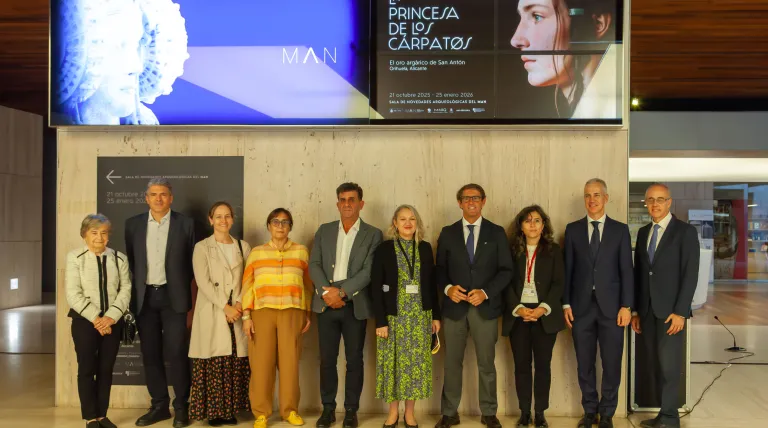
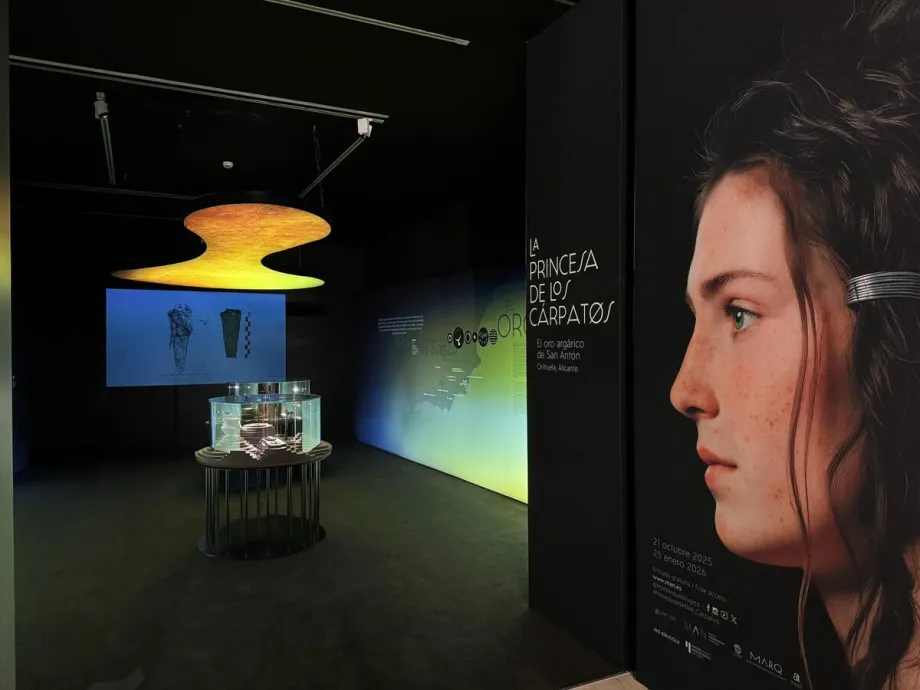
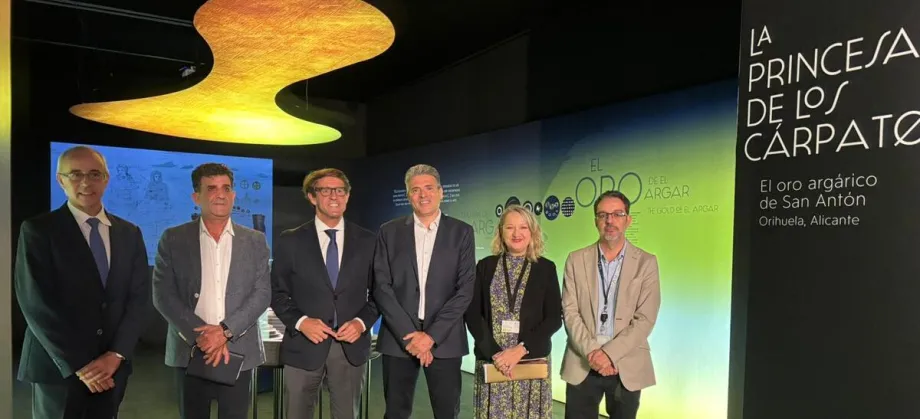
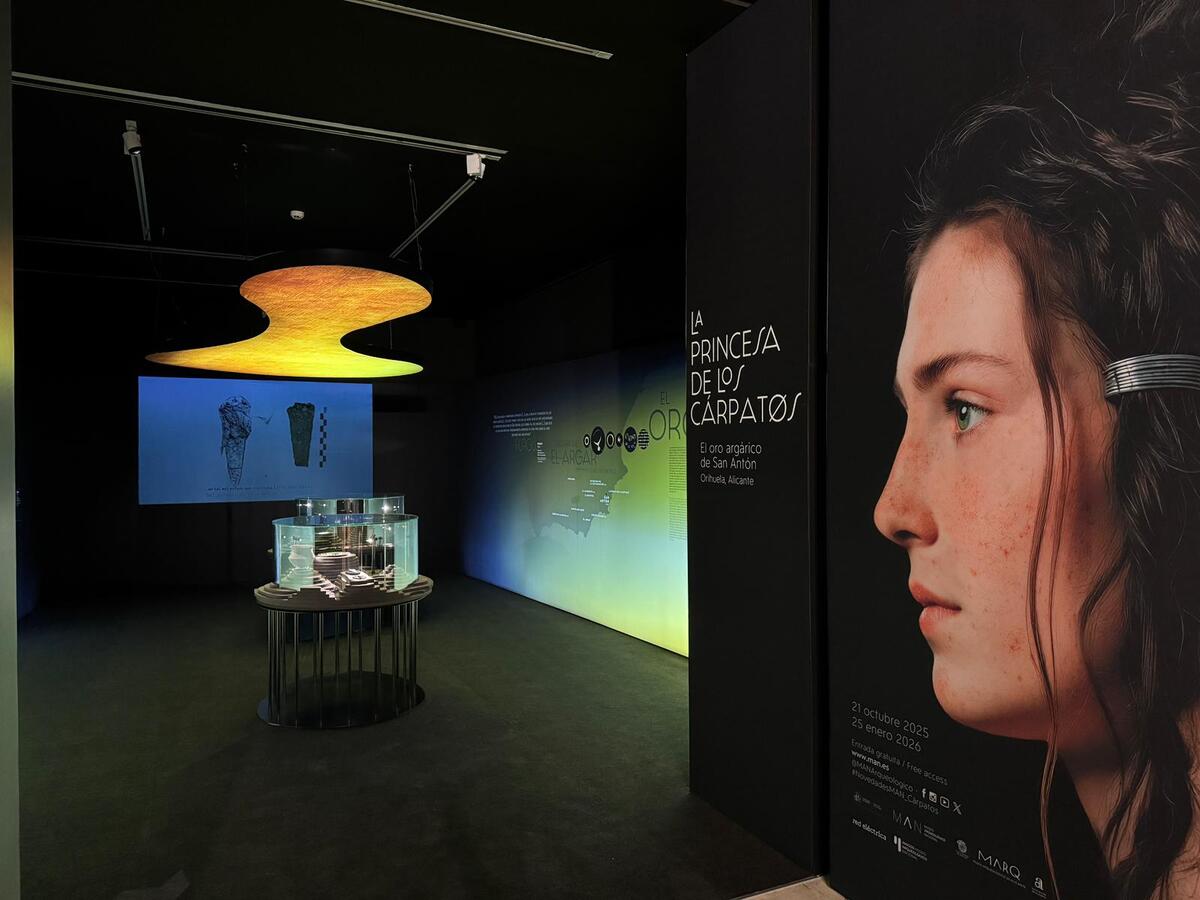
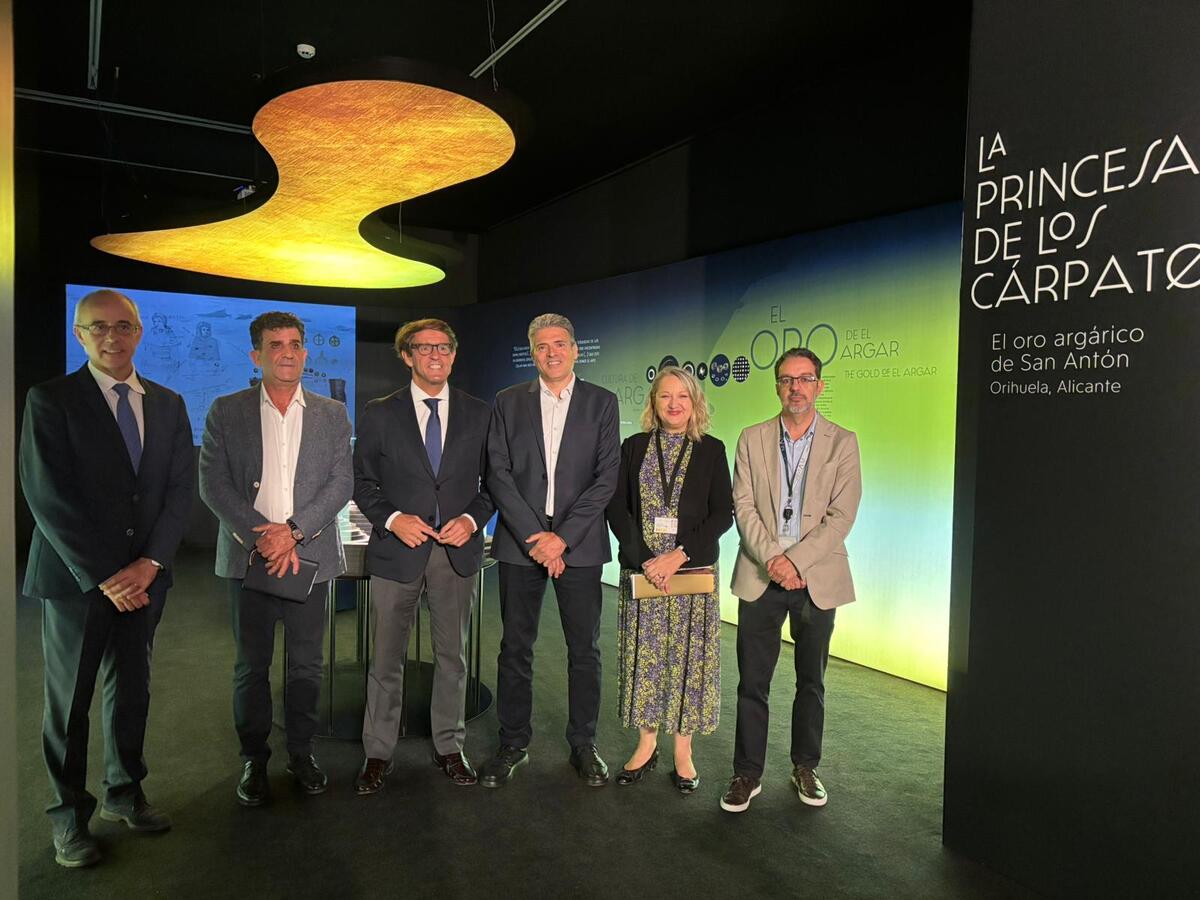
From 21 October 2025 to 25 January 2026, the New Finds Room of the National Archaeological Museum (MAN) will host the exhibition ‘The Princess of the Carpathians.Argaric gold from San Antón’, thanks to the collaboration of Red Eléctrica. Together with the Association of Friends of the National Archaeological Museum, the company contributes to showcasing archaeological heritage of interest from different regions across Spain.
This is the second exhibition held in the New Finds Room since the collaboration with the museum began in the first months of 2025.
The initiative is the result of Red Eléctrica's commitment to cultural heritage and the preservation of the historical legacy for future generations.
The exhibition, organised by the MAN together with the Alicante Archaeological Museum (MARQ) and with the collaboration of the Provincial Council of Alicante, presents a new interpretation of the archaeological discovery made in the early 20th century at the San Antón site (Orihuela, Alicante), based on recent studies and analysis.
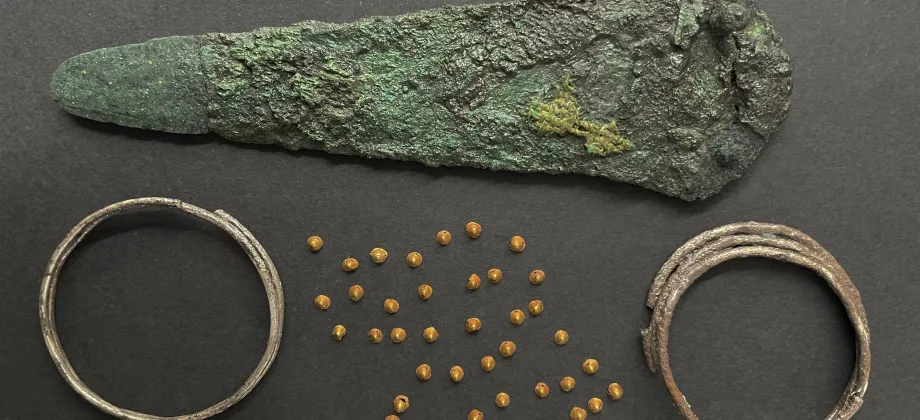
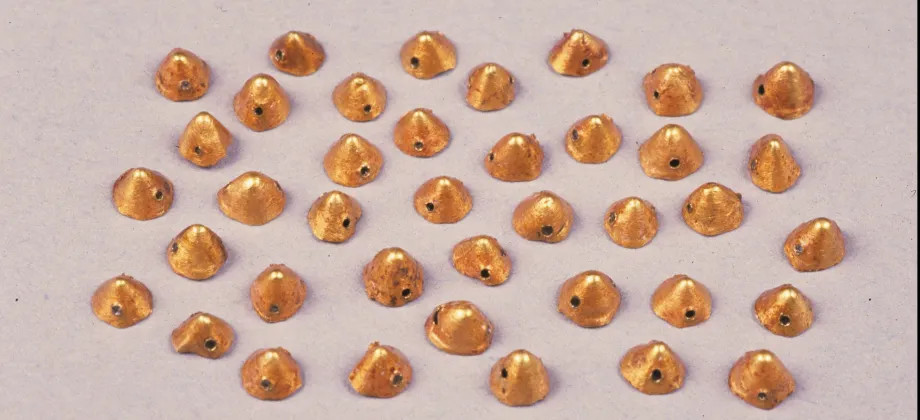
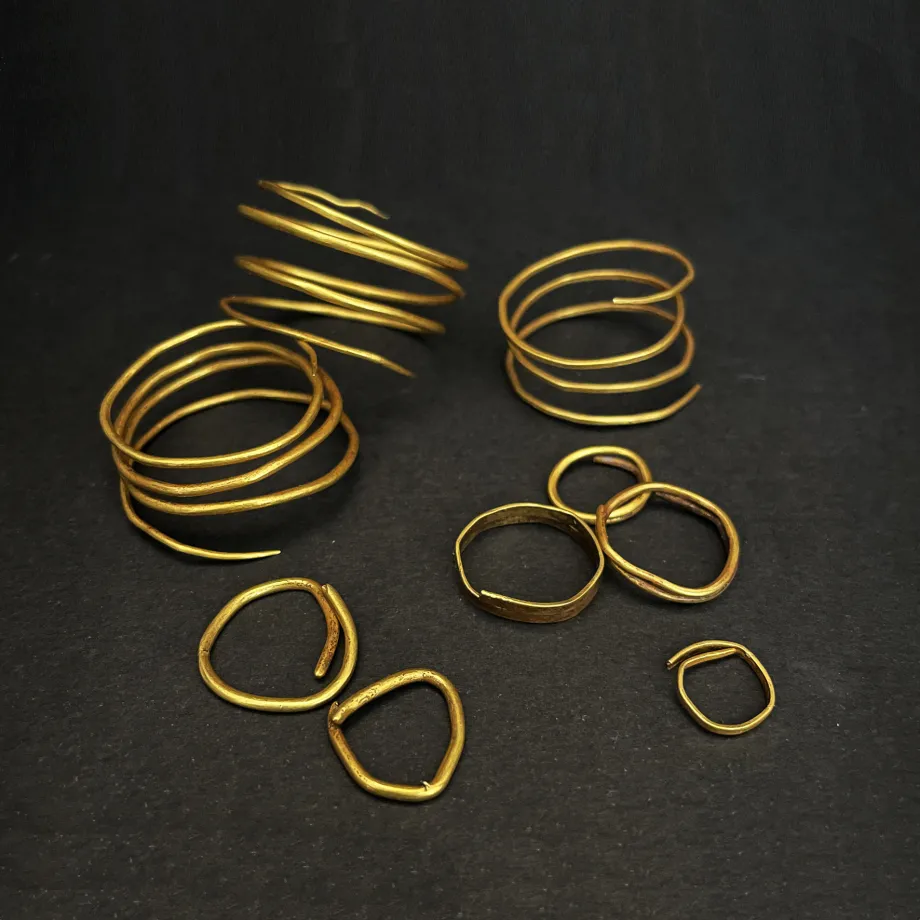
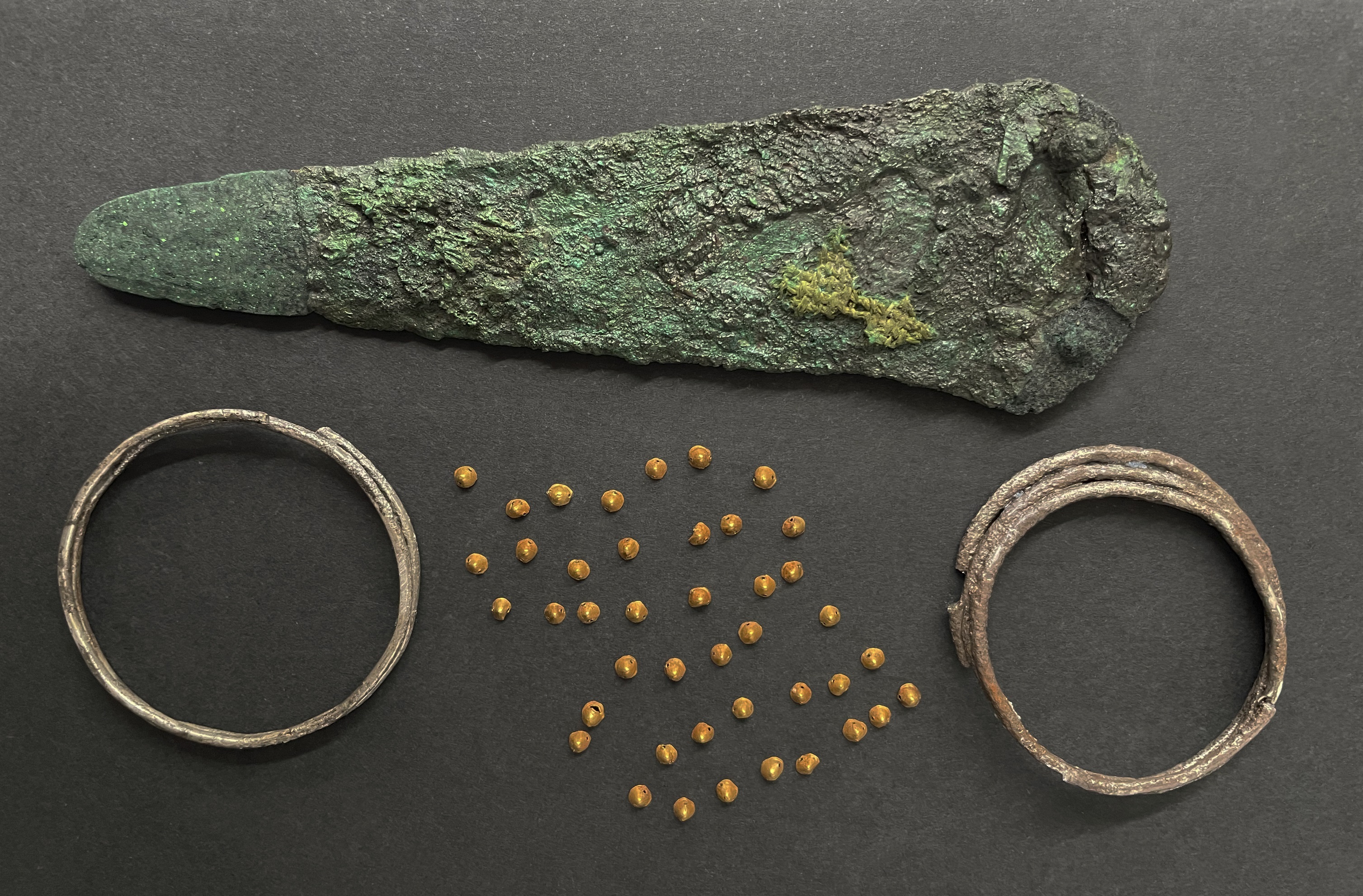
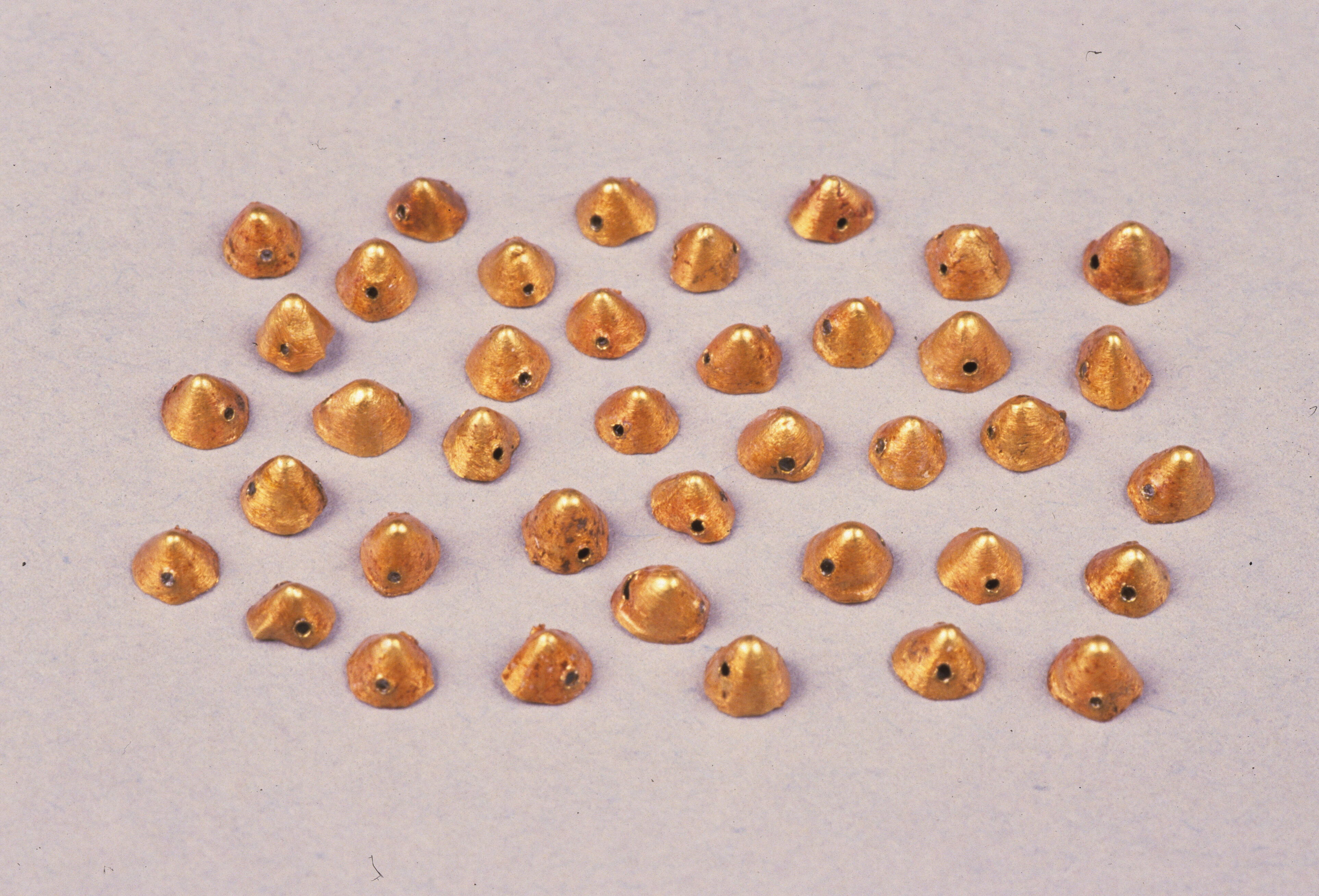
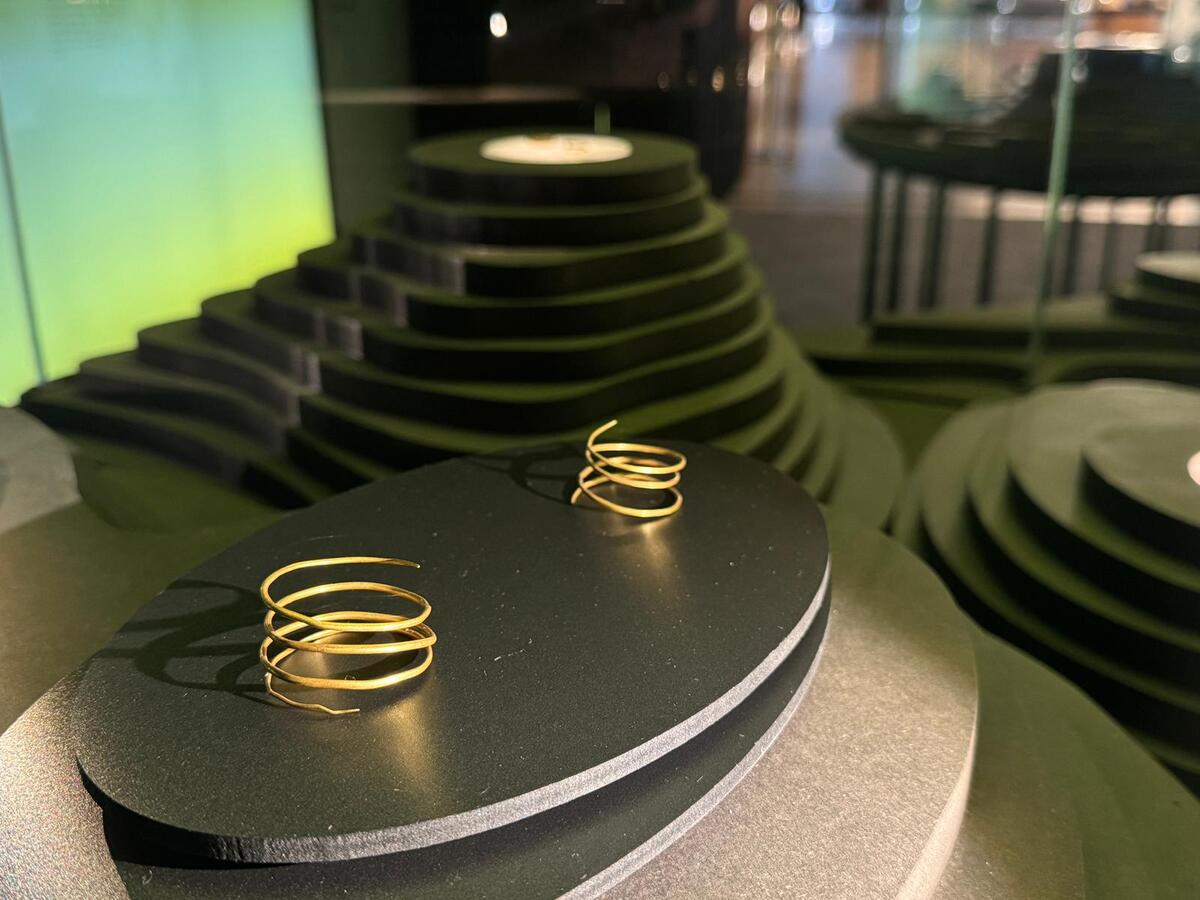
The San Antón site gained prominence around 1904 when Jesuit priest and researcher Julio Furgús discovered the tomb of a woman surrounded by grave goods that included, among other objects, two silver spirals, one on each side of the skull; a copper knife wrapped in a linen cloth; and a set of 75 small, perforated gold cones around the neck area.
Of this collection, the MARQ currently preserves the two silver spirals, the copper knife, and 42 of the 75 small gold cones.
New meaning
Recent studies on the grave goods of the San Antón woman, specifically the 42 gold cones, have made it possible to establish connections between the peoples who inhabited the Carpathian region during the Bronze Age and the El Argar culture, a Bronze Age society that developed in the southeast of the Iberian Peninsula between 2200 and 1550 BC. In this Central European region, contemporaneous with the Argaric culture, identical pieces were crafted in bronze or gold, which the elites sewed onto the garments with which they adorned themselves.
Thus, the luxurious dress with gold cones may have been given as an exotic gift to an Argaric woman, or it might have arrived covering the body of a high-ranking young woman from the Carpathian area.
Through Redeia’s Comprehensive Impact Strategy, the company promotes initiatives that, like this one, contribute to leaving a positive impact on the territory and its people through social, environmental and, in this case, cultural actions. In this area, Red Eléctrica has contributed this year to the acquisition of the largest privately owned collection of Argaric culture objects, comprising 3,000 items, making it available to the public in Antas (Almería).
The project was made possible through a collaboration agreement that turns this municipality, the epicentre of this Iron Age civilisation, into a global hub for the study and dissemination of this ancient culture at the new Argar Culture Interpretation Centre.


- prev
- next
Downloads