
Discover what Red Eléctrica is, what we do, and why we are the backbone of the electricity system in Spain and the ecological transition.




Red Eléctrica begins laying the submarine cable for the Bay of Bizkaia interconnection with France
The cable-laying vessel NKT Victoria has begun laying cable from the Bizkaia town of Lemoiz, marking a new milestone in the construction of the interconnection.
The offshore works will be carried out in several phases from this summer until summer 2027.
Red Eléctrica is collaborating with marine technology centre AZTI on biodiversity protection initiatives.
03/08/2026

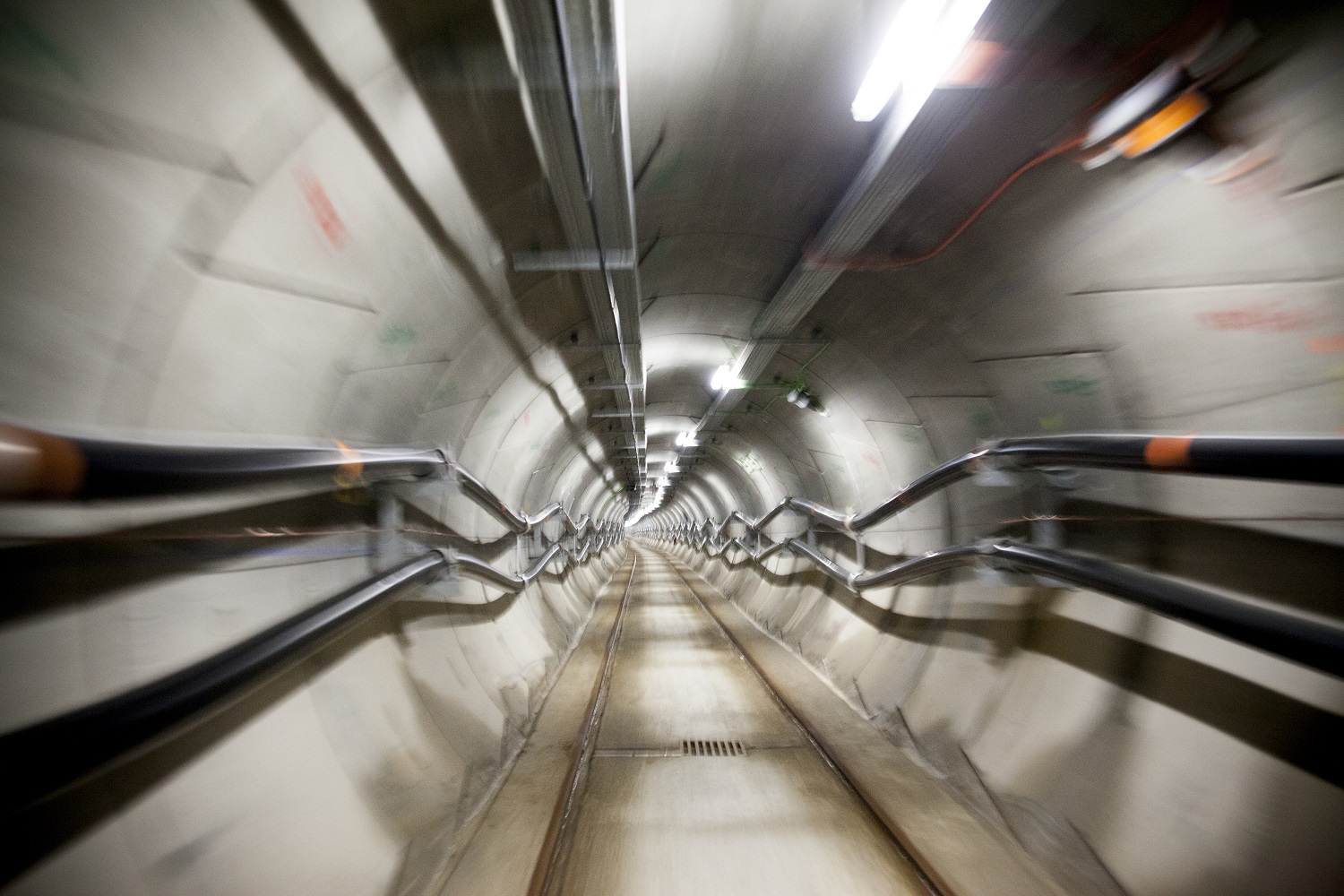
Red Eléctrica, the Redeia subsidiary responsible for electricity transmission and operation of the electricity system in Spain, has begun laying the submarine cable for the electricity interconnection with France through the Bay of Bizkaia. The project is being developed together with its French counterpart, RTE, through their joint company Inelfe. This marks a milestone in the construction of this strategic infrastructure, which will connect the electricity systems of the Iberian Peninsula and France through an entirely underground and submarine route.
A total of four submarine cables will be installed, along with additional fibre optic cables running in parallel to enable the operation of the infrastructure. The offshore works will be carried out in several stages between this summer and summer 2027 between the Basque coast and the French coast, near the city of Bordeaux. Since the project began, Red Eléctrica has worked closely and in coordination with public administrations and the fishing sector to ensure that both the infrastructure and the works are adapted as far as possible to the surrounding area, the environment and society.
The first phase of cable laying on the Basque coast, covering a 65 km route, is being carried out by Danish company NKT using its cable-laying vessel Victoria, which is also supplying the cables.
It is one of the few vessels in the world capable of carrying out this type of work. At 140 metres long, it has a capacity of 11,000 tonnes and is designed to install submarine links in all types of environments, from deep ocean waters to the areas close to the coast. This capability allows it to complete cable laying without the need for auxiliary vessels in many cases.
Therefore, when laying the cables, the NKT Victoria is reaching depths of up to 140 metres at some points. It should be noted that the cables will be buried or covered with rock along their entire length, depending on whether the seabed is sandy or rocky. The submarine section will have a total length of 276 km, with a short intermediate 27 km underground section in which the cables run over land in France to bypass the Capbreton submarine canyon before returning to sea.
The land-to-sea connection for the submarine link
Before beginning the submarine cable laying works, Red Eléctrica carried out a unique civil engineering project known as the landfall, which involves connecting the underground section to the sea. This highly technically complex phase was carried out in the municipal area of Lemoiz. To this end, four directional drilling operations, each slightly over 1 km long, were carried out beneath the cliff, emerging onto the seabed approximately 500 metres from the coastline in order to minimise environmental impact as far as possible.
This will allow the cables to subsequently be laid from the Basque coast to the converter station located in Gatika, through the underground section, and from the French coast to the converter station in Cubnezais, in the Bordeaux area.
Collaboration with AZTI
Red Eléctrica has designed the interconnection route in agreement with local communities and based on sustainability criteria, with the aim of minimising the impact on the landscape and ensuring maximum protection for the vegetation and wildlife in the areas through which it passes.
In addition, the project benefits from the collaboration of marine technology centre AZTI, which contributes its expertise and knowledge of aquatic ecosystems. As part of this collaboration, Red Eléctrica and AZTI have developed an environmental research and monitoring initiative to track the presence of marine mammals and commercially important fish populations in the area affected by the route.
About the electricity interconnection with France
Construction of the interconnection is now 60% complete overall. Once operational, it will increase electricity exchange capacity between the two countries from 2,800 to 5,000 megawatts (MW). This increased capacity will strengthen the security and quality of electricity supply, help improve the efficiency of electricity systems, enable greater integration of renewable energies and play a key role in EU energy self‑sufficiency.
This initiative has been designated a Project of Common Interest by the European Union and is co-financed through CINEA – the European Climate, Infrastructure and Environment Executive Agency. The project has also received support from the European Investment Bank (EIB).
Downloads