
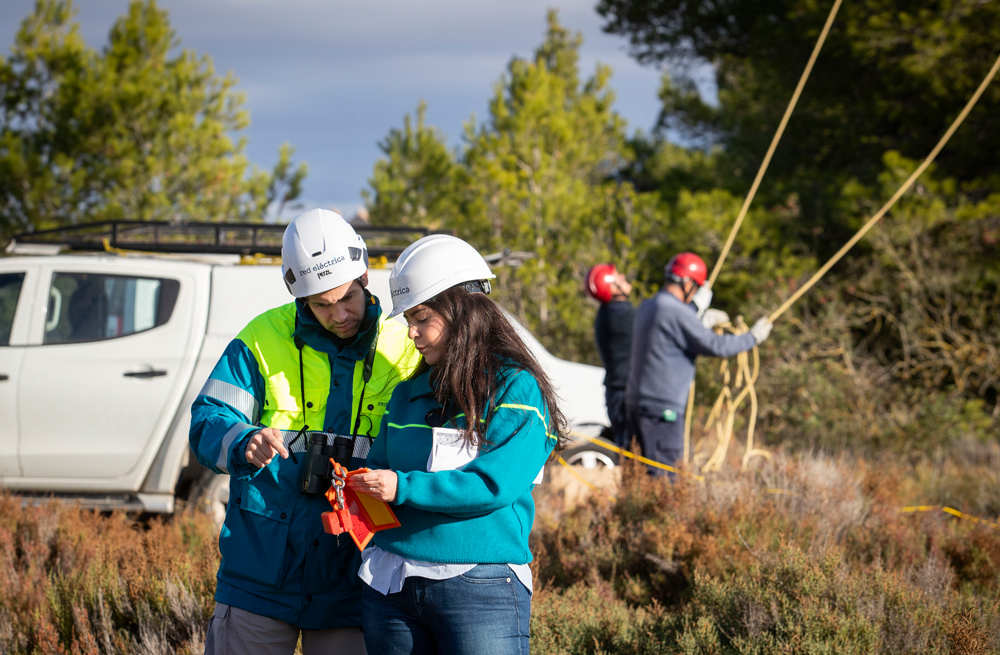
Discover what Red Eléctrica is, what we do, and why we are the backbone of the electricity system in Spain and the ecological transition.
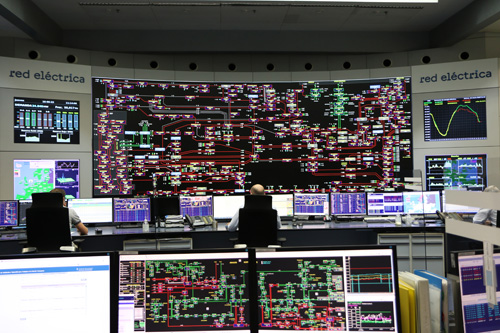




Corredor and Jauregi highlight the strategic role of grid investments and interconnections for Euskadi's competitiveness
- Both analysed the challenges and opportunities of the Basque electricity system at the forum organised by Red Eléctrica: “The electrical energy Euskadi needs: grids and interconnections”.
- The event brought together institutions and companies, focusing on the electrification and decarbonisation of industry, and the necessary balance between infrastructure development and environmental protection.
28/05/2026
Red Eléctrica, the Redeia subsidiary responsible for electricity transmission and system operation in Spain, brought together Basque institutions and companies today to discuss the strategic role of the electricity transmission grid and interconnections in the energy development of Euskadi, as well as their contribution to the ecological transition and the competitiveness of the industrial sector.
Redeia’s Chairwoman, Beatriz Corredor, and the Basque Minister for Industry, Energy Transition and Sustainability, Mikel Jauregi, opened the event “The electrical energy Euskadi needs: grids and interconnections” with a dialogue analysing the present and future challenges of the system in Euskadi. They also discussed the investments Red Eléctrica is making in the region under the current Electricity Transmission Grid Plan.
In this regard, Beatriz Corredor highlighted ongoing projects such as the expansion of the Abanto substation, which is key for the new technology park; the new Luminabaso substation in Amorebieta; and the upgrade of the Mercedes substation in Vitoria. She also mentioned the new Arrigorriaga substation and the interconnection with Navarra, which is expected to receive the final necessary permits to begin construction shortly. The Chairwoman emphasised that, thanks to the work carried out in recent years, the transmission grid in Euskadi still has the margin to accommodate new demand connection requests: “34% of the nodes still have available capacity,” she noted.
At the same time, Corredor reiterated Red Eléctrica's commitment to further strengthening and developing the grid to anticipate the future needs of the region. This is in line with the upcoming 2025–2030 Electricity Transmission Grid Plan, which focuses on demand. The draft plan includes projects for Euskadi that “act as the power connections our industry needs, and will provide a major boost for Euskadi,” the Redeia Chairwoman stated.
For his part, the Minister for Industry, Energy Transition and Sustainability, Mikel Jauregi, stated: “In this period of industrial transformation and energy transition, Euskadi needs more grid connections. We highly value the work Redeia has done so far. Gatika is a strategic and priority infrastructure for Euskadi, not only to increase the resilience of the system – as we saw during the Hernani blackout – but also to reduce energy costs for our industry. To accelerate infrastructure investment and secure the power connections our industry needs, we must streamline administrative processes, and we trust that the regulatory fast track will address this need.”
Electrical interconnection via the Bay of Biscay
During the event, the essential nature of international interconnections was highlighted. These are key in the current climate for European energy autonomy, as well as for strengthening supply to businesses and integrating renewable energy.
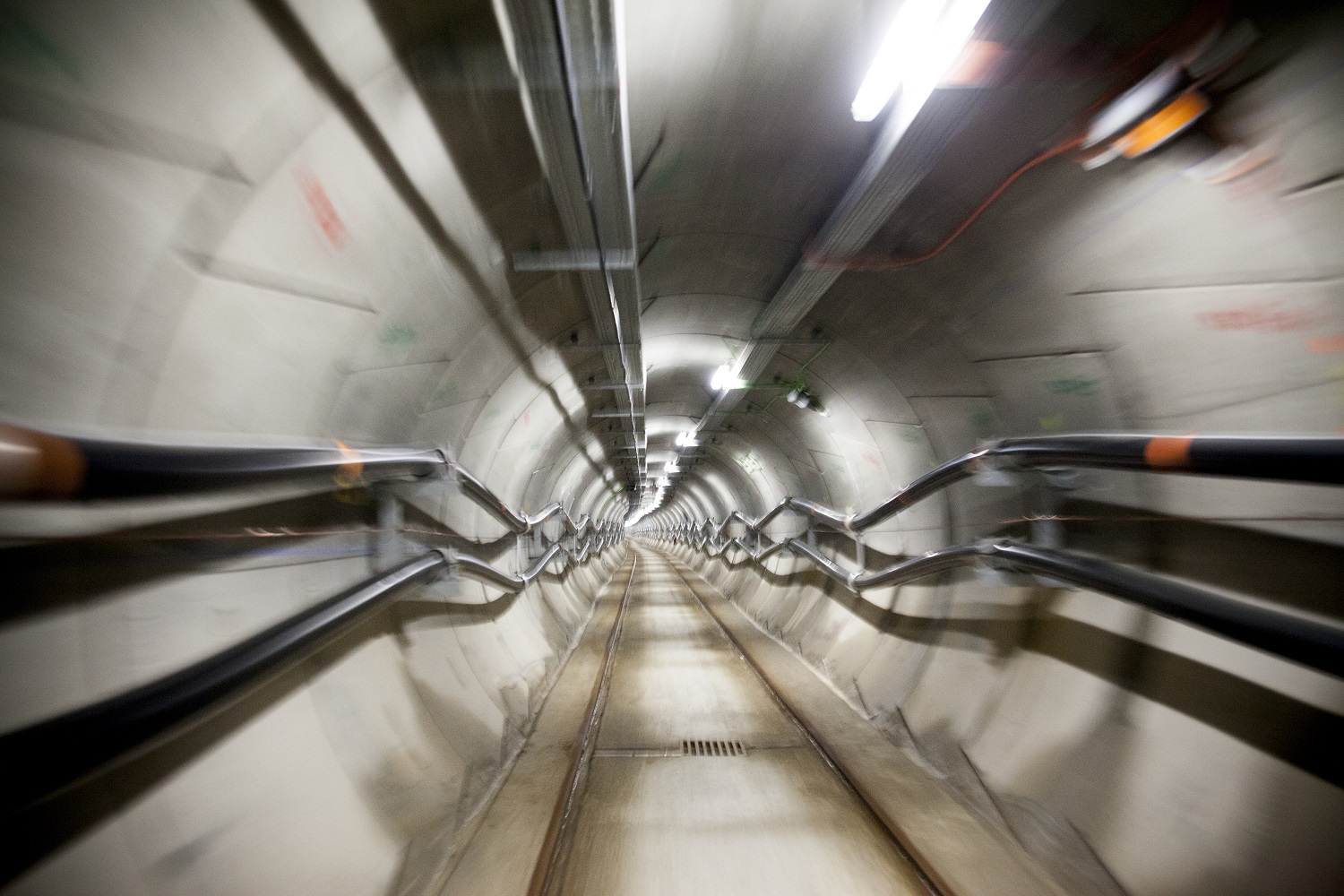
The electrical link connecting to France is currently under development in Bizkaia: an underground and submarine project that will allow 2,200 MW to be brought to Euskadi from Europe, thereby guaranteeing future Basque industrial demand. It is designated as a Project of Common Interest (PCI) by the European Commission, receiving economic and financial backing from both the Commission itself and the European Investment Bank.
The project, executed by Inelfe – a joint venture between Red Eléctrica and its French counterpart, RTE – is advancing on both sides of the border, with 80% of the onshore sections already completed. The converter stations are currently under construction, and the submarine cable-laying phase has just begun, with work off the coast of Bizkaia set to start this summer.
Environmental and corporate focus
Beyond its strategic dimension, the conversation also focused on the project's execution on the ground and the commitment to the local environment. Along these lines, Luis Velasco, Red Eléctrica's Head of Facilities Development and Support, emphasised that the interconnection follows a sustainable route, agreed upon with local communities and administrations, and subjected to the strictest environmental impact assessments: “Our way of working is based on anticipation, prevention, and control.”
In a discussion with Cristina Arcocha, Head of the Environmental Assessment Area at Basoinsa; Anna Rubio, Coordinator of the Coastal Engineering and Operational Oceanography Area at AZTI; and Ekain Cagigal, Head of Circular Traceability in Construction at Tecnalia, the speakers underscored the balance between infrastructure development and environmental protection. They pointed to technical solutions such as microtunnelling and directional drilling, which help minimise the impact on sensitive areas. Together, they analysed the various facets of the project, from design and execution works to the dismantling of the Gatika–Lemoiz overhead power line, which will restore the surroundings of the current line to their natural state. Red Eléctrica recently received the administrative authorisation that will allow works to begin in the coming months.
The event concluded with a third session focused on the decarbonisation of Basque industry, where institutional and business representatives agreed on the decisive role of electricity grids in ensuring a more sustainable, competitive, and resilient production model. The panel featured Irantzu Allende, Basque Deputy Minister for the Energy Transition; José Antonio Jainaga, Chairman of Sidenor, Mirai, and Talgo; José Ignacio Zudaire, CEO of Petronor; and Antonio González Urquijo, Redeia's Northern Regional Manager. The main takeaways included the priority status of infrastructure planning and the need for public-private collaboration to support the electrification of industrial processes.
The forum delivered a shared message from administrations, businesses, and experts: Euskadi is facing a period of intense energy transformation in which the electricity transmission grid will continue to be a key element, just as it has been to date.
Downloads