
Discover what Red Eléctrica is, what we do, and why we are the backbone of the electricity system in Spain and the ecological transition.








Coexistence between birdlife and power infrastructure
More than 600 lesser kestrels settle during the summer at Red Eléctrica substations in northeastern Spain
- The study shows that power infrastructure and its surroundings are high-value ecological spaces for more than 600 lesser kestrels.
- Red Eléctrica collaborates with GREFA on a pioneering study conducted in Navarra, Huesca and Zaragoza. This study concludes that this endangered species in the Iberian Peninsula uses substations as roosting sites.
- The initiative forms part of Redeia’s Comprehensive Impact Strategy, which includes other birdlife protection projects in Spain and Latin America.
15/12/2025
Red Eléctrica, Redeia's subsidiary responsible for the transmission and operation of Spain’s electricity system, has collaborated on a scientific study carried out by GREFA (Grupo de Rehabilitación de la Fauna Autóctona y su Hábitat). The aim of this study was to analyse the use made by the lesser kestrel (Falco naumanni) —a small migratory falcon threatened in the Iberian Peninsula— of Red Eléctrica’s substations as roosting and hunting areas during its migration. The study concludes that around 600 lesser kestrels coexist with electrical infrastructure during the summer months.
The project began in 2022 following observations that lesser kestrel populations leave their breeding colonies and migrate to areas in northeastern Spain during the summer. There, they gathered in communal roosts in the surrounding environment and, very notably, at electrical substations. This collaboration between Red Eléctrica and GREFA has made it possible to gain insight into previously little-known aspects of the species’ behaviour, helping to better understand its ecological role and advance its protection and conservation.
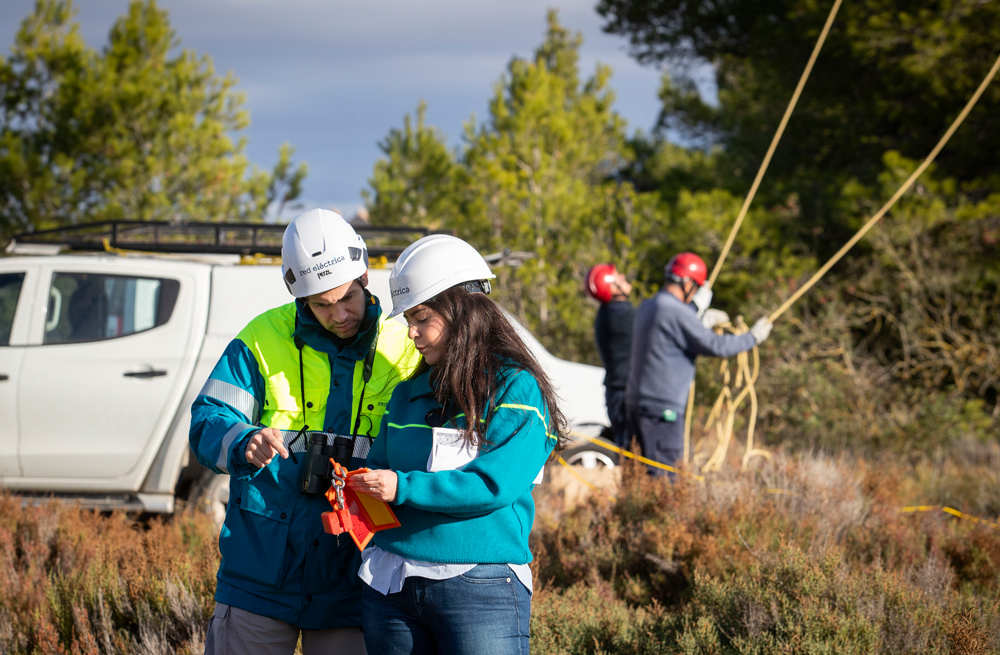
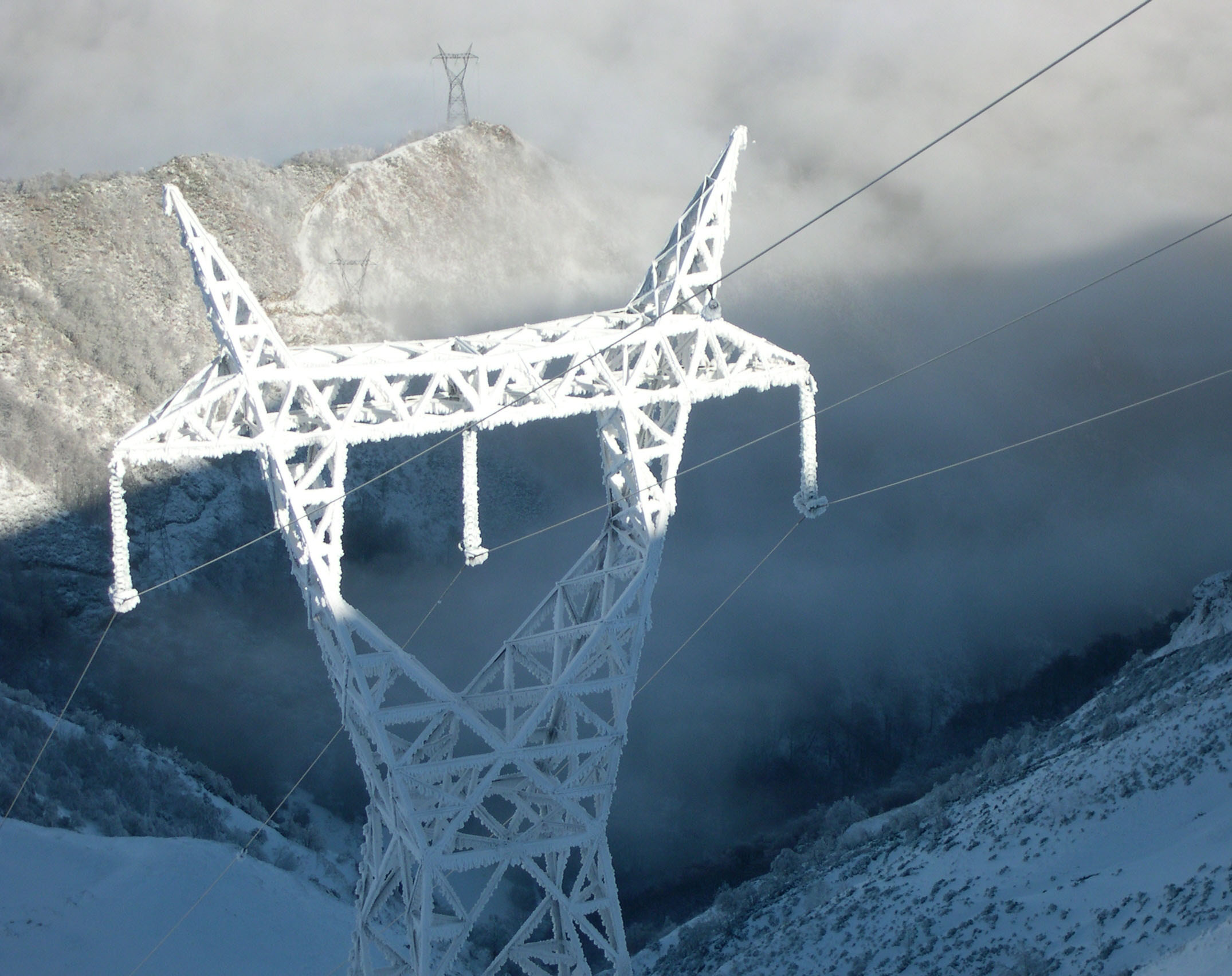
To carry out the research, populations of this species were surveyed at five electrical substations: La Serna (Tudela) and Tafalla-Olite, in Navarra; Peñaflor and Magallón, in Zaragoza; and Esquedas, in Huesca. During the peak observation period, in early September 2024, a total of 233 individuals were recorded at the Peñaflor substation, 149 at Esquedas, 74 at Olite and 49 at Tafalla. Among the different infrastructure elements, it was observed that flocks of lesser kestrels first arrive at the power line towers and then move into the substation gantries to roost. Specifically, the most frequently used elements are the towers, overhead power lines and substation gantries.
In addition, a total of 458 lesser kestrels have been identified hunting in the areas surrounding the substations. In this regard, the study notes that the natural habitat surrounding these sites —largely characterised by cereal stubble fields— is ideal for lesser kestrels, as it provides sufficient food to enable them to undertake their migratory journey to Africa, where they spend the autumn and winter.
The study forms part of a doctoral thesis at the Autonomous University of Madrid conducted by researcher and GREFA member Beatriz Rodríguez.
The video available at the following link provides further details about the project and features striking images captured during the study:
Commitment to biodiversity
For Redeia, sustainability, the creation of shared value in the territories where it operates and biodiversity conservation are inseparable concepts, as well as an essential part of its Sustainability Commitment and Comprehensive Impact Strategy.
Redeia has maintained a fruitful relationship with GREFA for more than 25 years, focused on promoting the study and protection of nature, with a particular emphasis on birdlife. Over time, this commitment has been reflected in various agreements. Among them, the most notable are those aimed at restoring the black vulture in the Sierra de la Demanda (Burgos) and in Boumort (Pyrenees), conserving the Egyptian vulture in Andalucía and protecting Bonelli’s eagle at different locations across Spain. Redeia also collaborates on environmental awareness and education initiatives, including support for GREFA’s wildlife rescue centre in Majadahonda (Madrid), which has recently upgraded its facilities for steppe bird species.
Downloads