
Discover what Red Eléctrica is, what we do, and why we are the backbone of the electricity system in Spain and the ecological transition.




2nd Conference on Grazing in Networks in Cistierna
Grazed areas in the León mountains record higher biodiversity rates and lower combustible biomass
- Livestock farmers, energy companies, academia, and environmental organisations conclude that extensive grazing offers many services to society, such as food production, biodiversity generation, income diversification for farmers, fire prevention, and rural development.
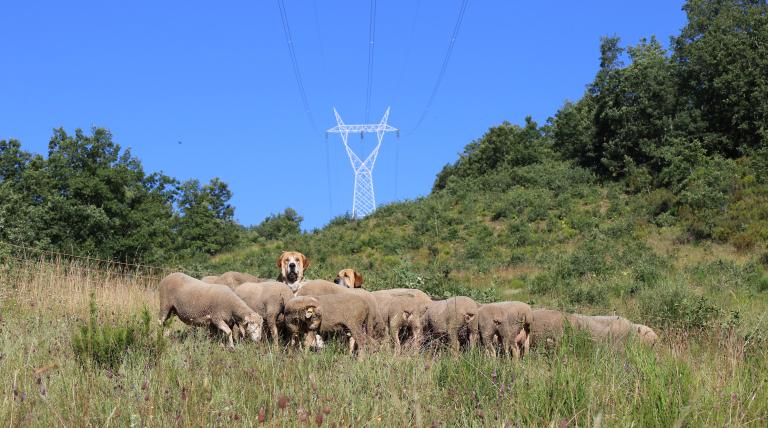
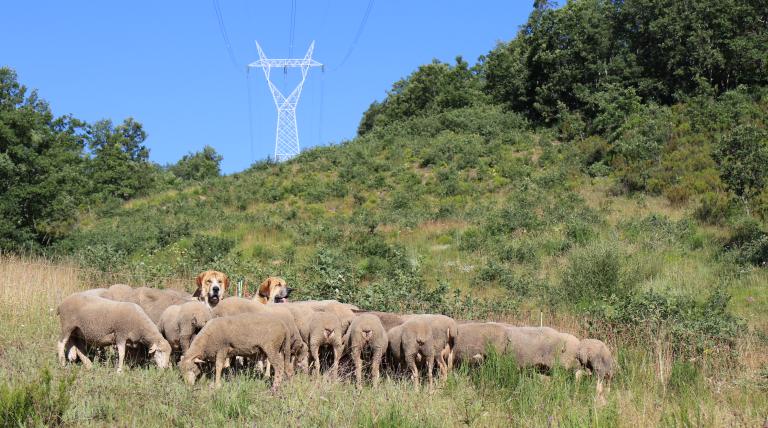
- Grazing around the Red Eléctrica and Enagás infrastructure in the forests of Pola de Gordón, La Robla, and Villamanín is creating biodiversity corridors.
05/07/2024
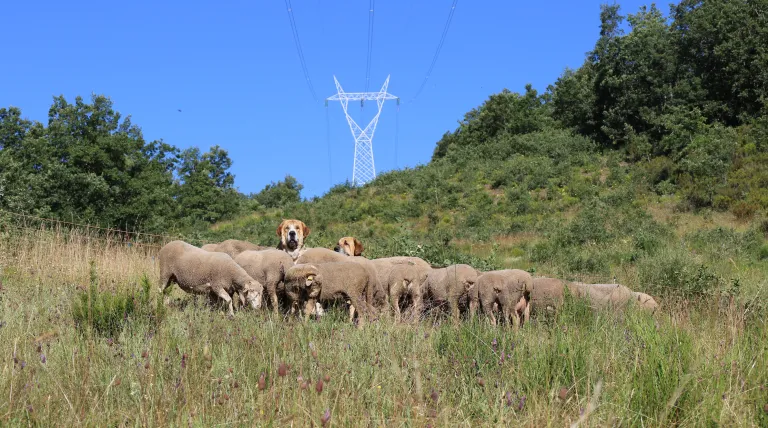
The grazed areas in the León mountains in Folledo (Pola de Gordón), Casares de Arbás (Villamanín), and Rabanal de Fenar (La Robla) currently record higher biodiversity rates than other areas without grazing. They also have a lower volume of combustible plant biomass and, therefore, a reduced risk of forest fires.
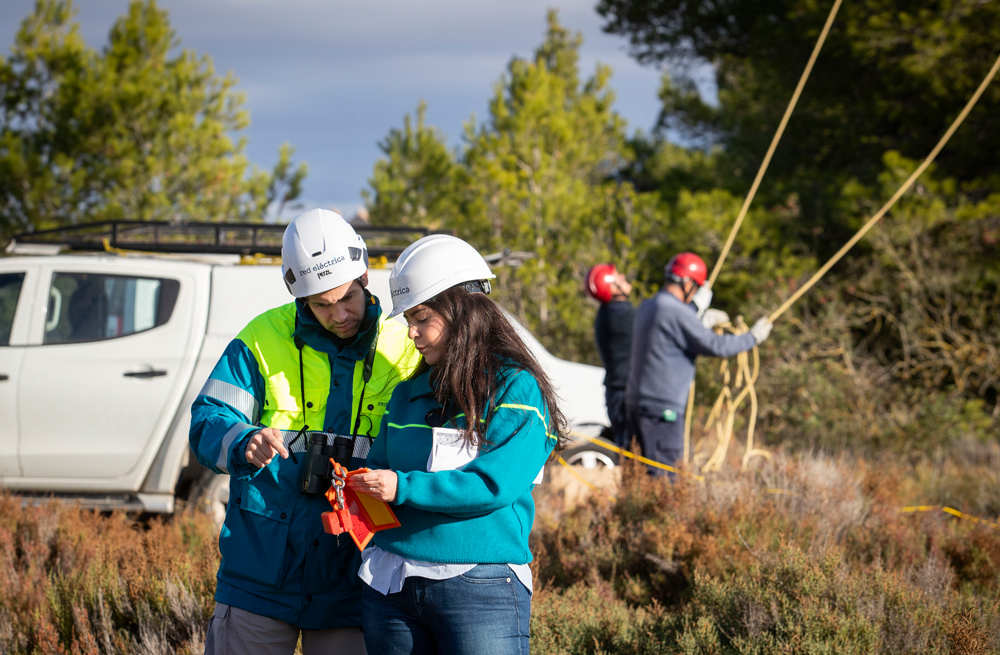
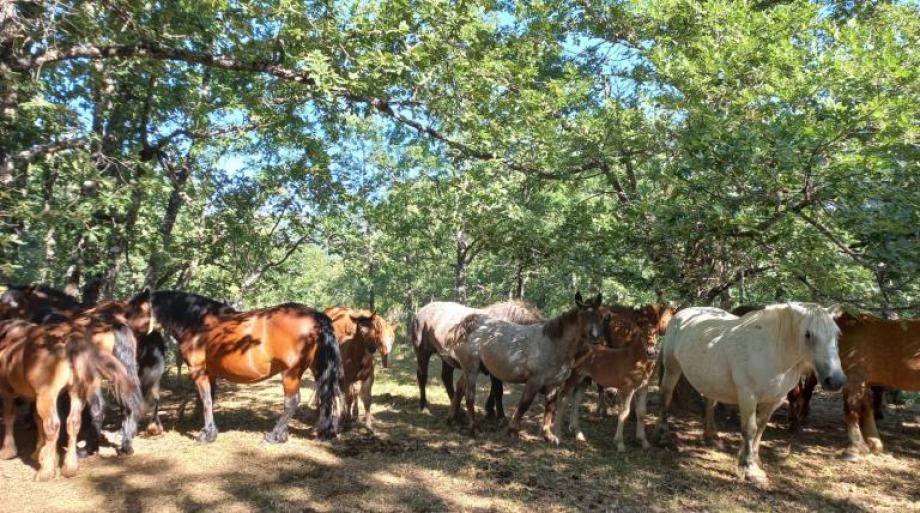
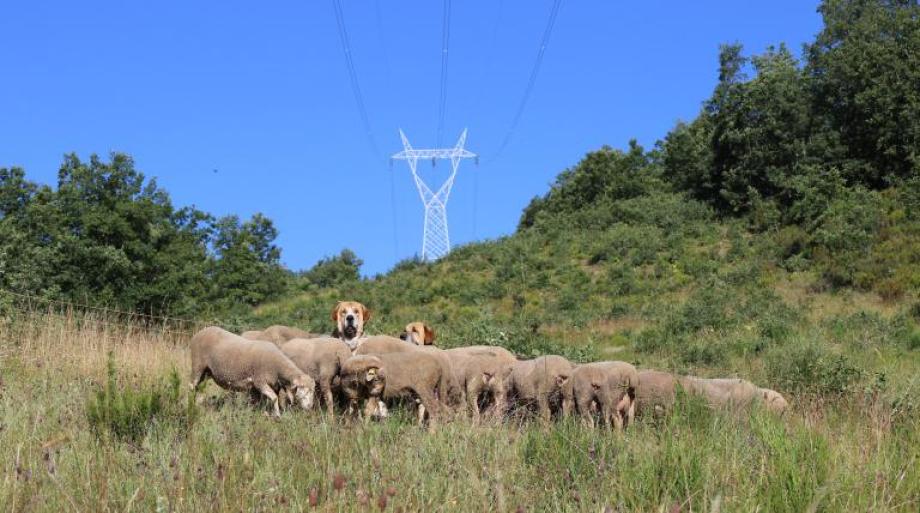
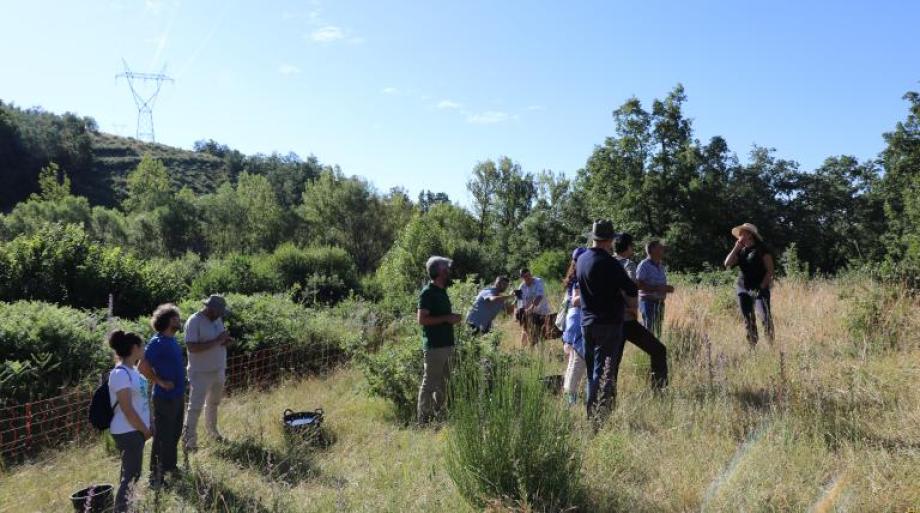
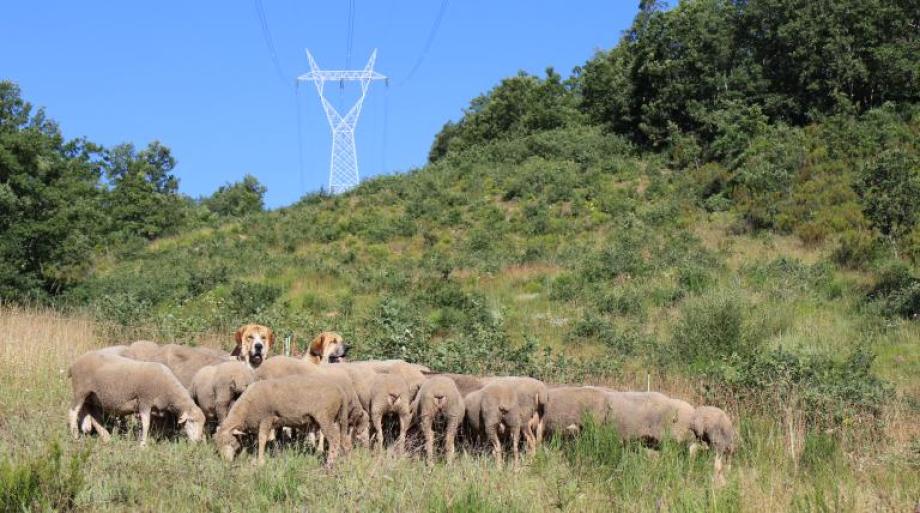
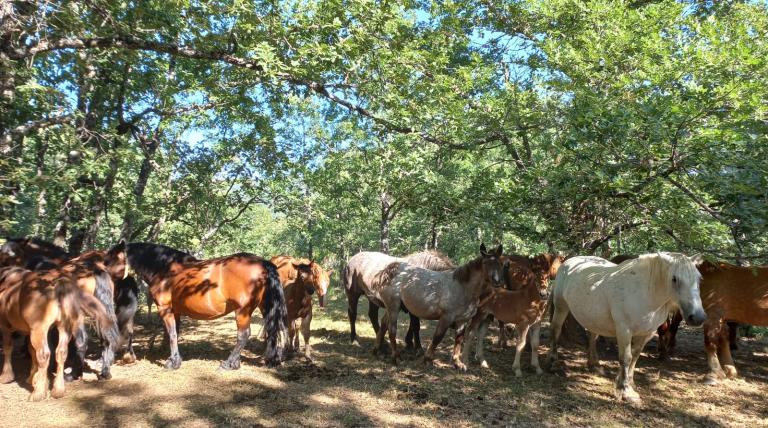
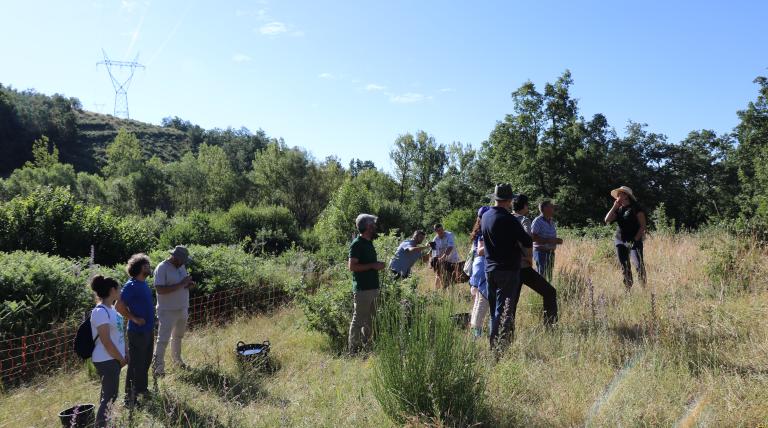
This has been proven two years after energy transmission companies Red Eléctrica and Enagás began managing the vegetation around their infrastructure in the León mountains using extensive livestock farming and directed grazing. Instead of employing conventional mechanical clearing methods, both companies opted to collaborate with livestock farmers, shepherds, and the company Agrovidar to design a grazing plan and bring cattle, sheep, and horses to their facilities. To measure the impact of the livestock on the vegetation, the initiative uses drones equipped with multispectral cameras and GPS trackers fitted to some animals in each herd.
The sampling and data collected during this time indicate a greater presence of arthropods, butterflies, pollinators, and floral units in the grazed areas compared to the ungrazed ones. This confirms that livestock is a key vector for increasing biodiversity rates and is turning Enagás pipelines and Red Eléctrica power lines into biodiversity corridors. Furthermore, the combination of grazing, trampling, and the organic matter provided by the livestock has reduced the volume of biomass and modified the type of vegetation, transforming it from a shrub or scrub base to herbaceous cover, which helps reduce the risk of fires.
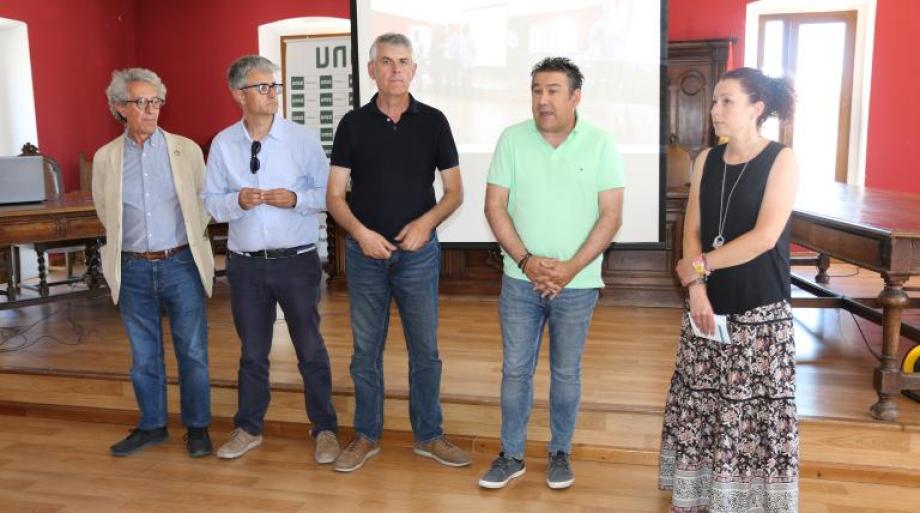
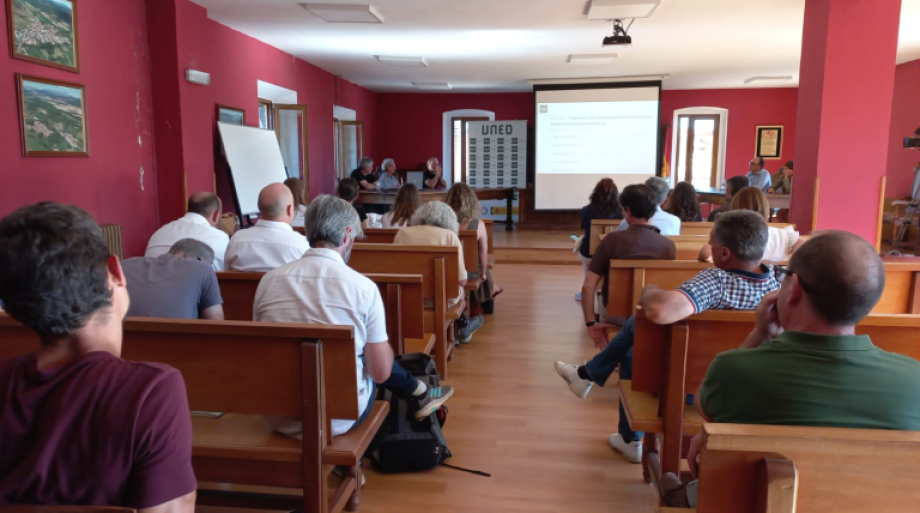
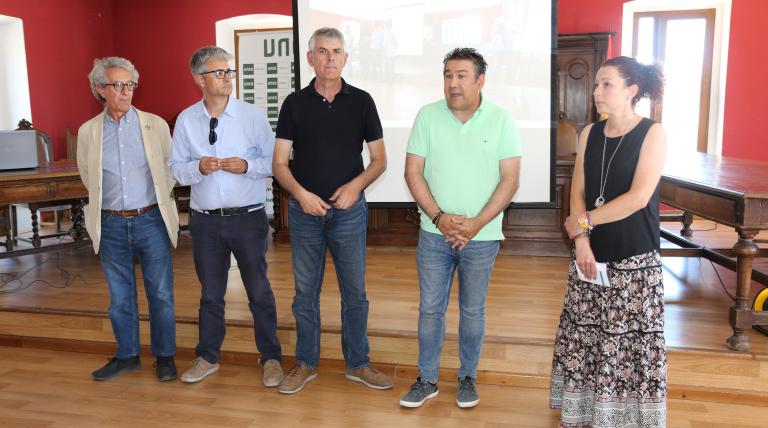
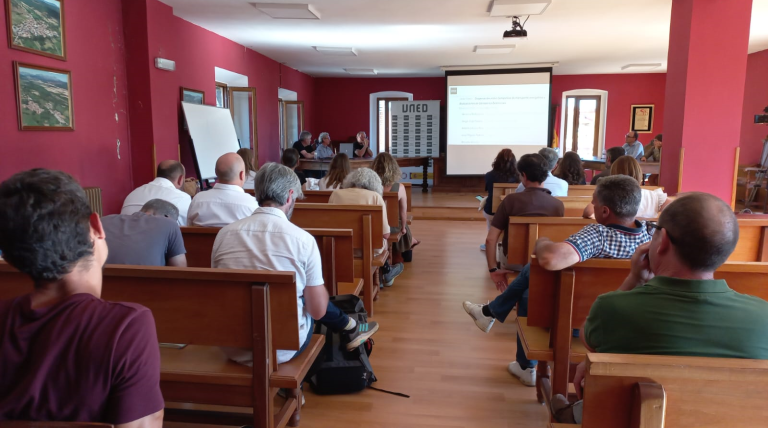
The two companies shared their experience and findings from the León mountains at the 2nd Conference on Grazing in Networks, held yesterday and today. The event showcased other extensive grazing initiatives, such as Naturaleza Pastoreada by the Global Nature Foundation and Granja Zael in Burgos. Participants also reflected on how to incorporate innovation, technology, knowledge, and talent into rural development and extensive livestock farming processes. They explored cooperation opportunities among energy companies, livestock farmers and shepherds' associations, service providers, public administrations, academia, and environmental entities.
The experts concluded that extensive grazing in areas where essential energy transmission infrastructure runs offers benefits to society and nature that go far beyond generating income for the farming sector, providing pasturelands, and producing food.
“Extensive grazing promotes rural development, fosters biodiversity, prevents fires, and serves as a sustainable tool for managing vegetation around energy infrastructure. The Red Eléctrica and Enagás projects in León are also an excellent example of cooperation between the energy sector, an agricultural services company, and a group of farmers who put their knowledge and livestock at the service of society and the planet,” stated Ramiro Palacios of Agrovidar.
“Red Eléctrica was already a pioneer in Europe in grazing along transmission grids. We started in La Rioja, continued in Castilla y León and Galicia, and will keep expanding this practice, which generates such a positive impact in rural areas. This is the sustainability commitment of our parent company, Redeia: to generate value in local communities and contribute to solving their needs,” added Redeia's Sustainability Director, Antonio Calvo Roy.
In the words of José Miguel Tudela, Director of Sustainability and Climate Action at Enagás: “The extensive livestock farming project in Folledo is an innovative initiative within Enagás' global sustainability strategy, reflecting a strong commitment to developing local communities and enhancing biodiversity. Thanks to this project, we are contributing further to sustainable development in rural areas, allowing us to continue making progress towards our goal of a net positive impact on nature by 2050.”
The Conference on Grazing in Networks was organised by Red Eléctrica, Enagás, Agrovidar, the Global Nature Foundation, and the UNED campus in Ponferrada, in collaboration with the Cistierna Town Council, the León Mountain Livestock Farmers Association, and the León Provincial Council.
Las zonas pastoreadas de la montaña de León registran mayores tasas de biodiversidad y menor biomasa combustible. Enagas y Red Eléctrica emplean ganado extensivo para reducir el riesgo de incendios y generar un impacto positivo en los ecosistemas y la población.
- prev
- next
Downloads