
Discover what Red Eléctrica is, what we do, and why we are the backbone of the electricity system in Spain and the ecological transition.




Red Eléctrica begins laying the underground cable for the interconnection with France via the Bay of Bizkaia
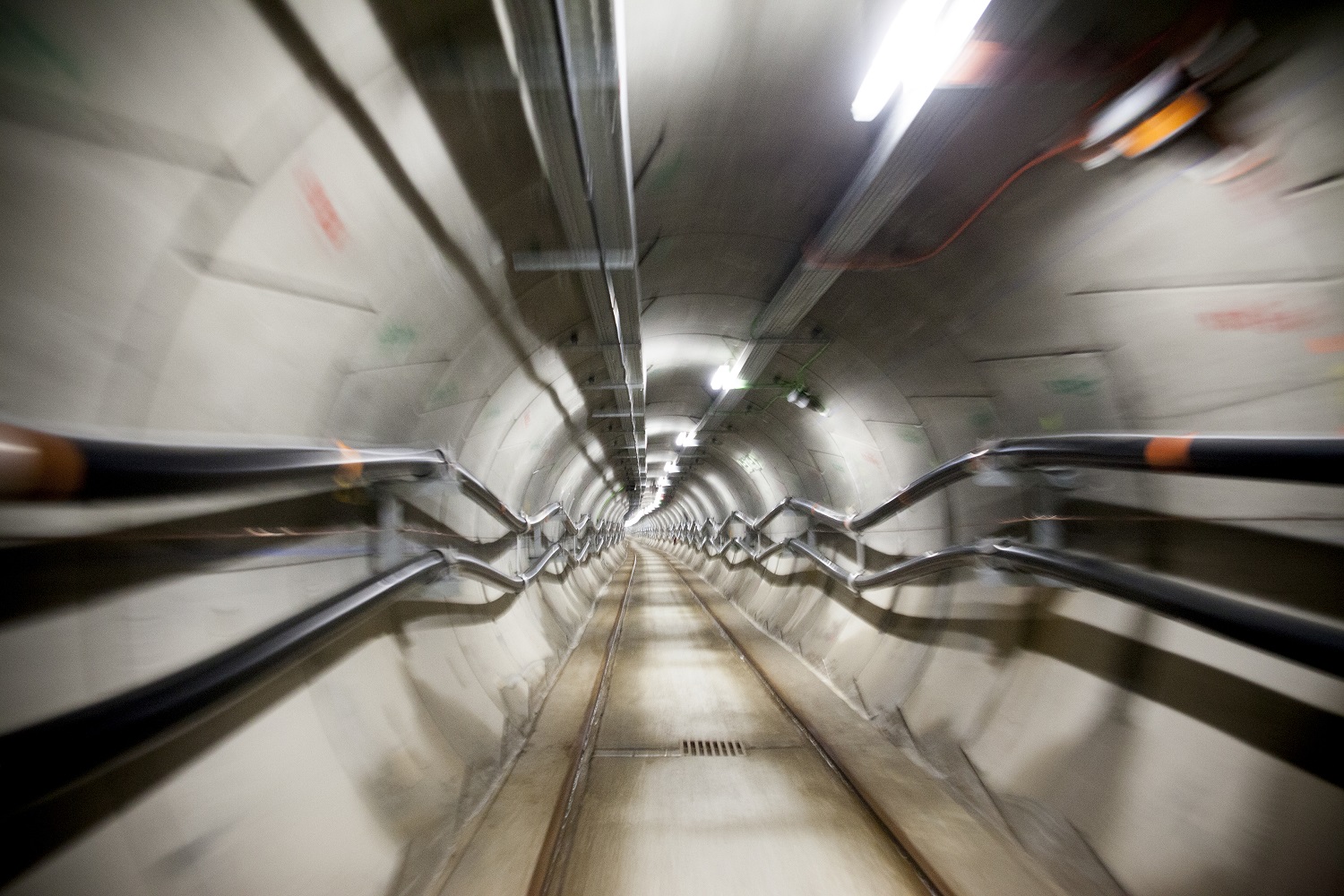
This strategic infrastructure, which follows an entirely underground and submarine route, is now entering the underground cable-laying phase, covering 13 km from the Gatika converter station to Lemoiz.
Furthermore, the second phase of the submarine cable-laying operations took place in September, covering a total of 50 km. Together with the first phase completed in August, this brings the submarine interconnection cables along the Bizkaia coast to 100% completion.
29/10/2026
Red Eléctrica, the Redeia subsidiary responsible for electricity transmission and the operation of the electricity system in Spain, has reached a new milestone in the electricity interconnection project with France via the Bay of Bizkaia with the start of underground cable-laying works. Construction continues to progress on this strategic infrastructure, which will connect the electricity systems of the Iberian Peninsula and France through an entirely underground and submarine route.
Measuring 13 cm in diameter, the HVDC underground cables will run for 13 kilometres from the Gatika converter station to the coast in Lemoiz, where they will connect to the submarine cables. To make this possible, this summer Red Eléctrica carried out the land–sea drilling works – a complex, specialist civil engineering operation known as a landfall – in the municipality of Lemoiz. This work involved executing four horizontal directional boreholes measuring just over 1 km in length, emerging on the seabed around 500 m from the shoreline to help integrate the infrastructure seamlessly into the local environment. A total of four cables are being installed, along with additional fibre optic cables running in parallel to enable the operation of the infrastructure.
Meanwhile, construction of the future Gatika converter station is also progressing at a good pace. Civil engineering works have already been completed and electromechanical assembly is currently underway. This facility will be key to converting the direct current from the submarine and underground line into alternating current, thus enabling its integration into the electricity transmission grid.
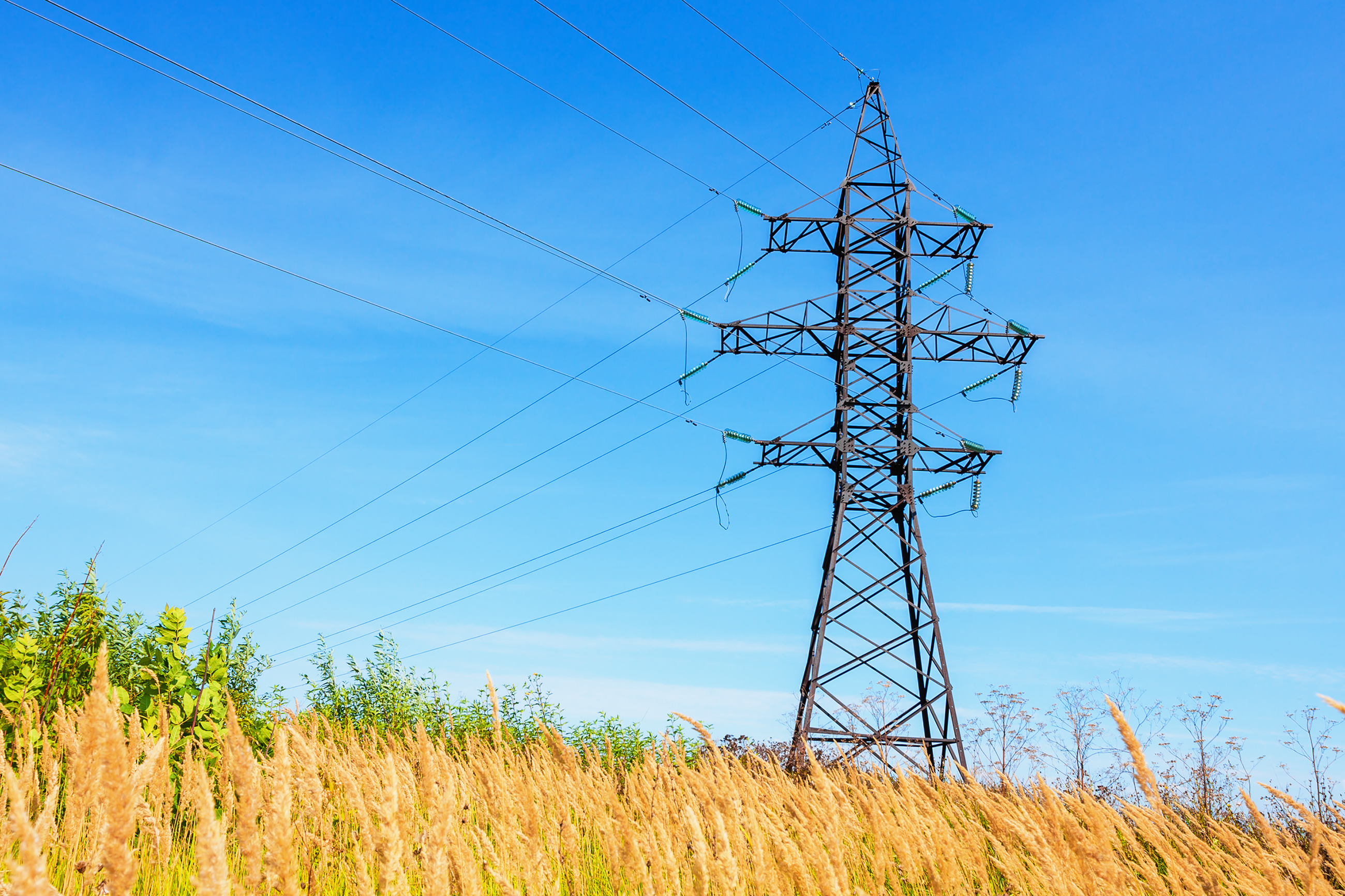
Red Eléctrica also plans to dismantle two 10 km overhead power lines between Gatika and Lemoiz as part of the interconnection project. This work will deliver an environmental improvement in an area of high natural value.
Since the project began, Red Eléctrica has worked closely and in coordination with public administrations and the fishing sector to ensure that both the infrastructure and the works are adapted to the surrounding area, the environment and society as far as possible.
Second submarine cable-laying phase
Red Eléctrica recently completed the second phase of laying the submarine cables, covering a 50 km section, carried out by the cable-laying vessel Prysmian Monna Lisa. With this latest progress, 100% of the marine cables along the Bizkaia section of the submarine interconnection have now been installed. Work will continue on the sections off the coast of Gipuzkoa between November 2026 and February 2027, with all cable-laying operations set to conclude in French waters in summer 2027.
The first phase was carried out this past August off the Bizkaia coast by the cable-laying vessel Victoria, owned by the Danish company NKT, which was responsible for installing the first 65 km of the route. Now that the cable has been laid, it is being covered in rocky seabed areas and buried in sandy seabed areas, as planned.
Both submarine cable-laying phases along the Bizkaia section were carried out using specialist cable-laying vessels equipped with cutting-edge technology for installing submarine infrastructure, enabling the works to be executed with maximum precision.
Collaboration with AZTI
Red Eléctrica has designed the interconnection route in agreement with local communities and based on sustainability criteria, with the aim of minimising the impact on the landscape and ensuring maximum protection for the vegetation and wildlife in the areas through which it passes.
The project benefits from the collaboration of marine technology centre AZTI, which contributes its expertise and knowledge of aquatic ecosystems. As part of this collaboration, Red Eléctrica and AZTI have developed Ecos del Océano (Echoes of the Ocean), an environmental research and monitoring initiative to track the presence of marine mammals and commercially important fish populations in the area affected by the route.
In parallel, Redeia, Red Eléctrica’s parent company, has launched the Mar de Gorgonias (Sea of Gorgonians) project, an initiative to conserve coral reefs in the Bay of Bizkaia, along the route of the interconnection, and in the area around the interconnection between the Peninsula and Ceuta.
About the electricity interconnection with France
Construction of the interconnection is now 70% complete overall. Once operational, it will increase electricity exchange capacity between the two countries from 2,800 to 5,000 megawatts (MW). This increased capacity will strengthen the security and quality of electricity supply, help improve the efficiency of electricity systems, enable greater integration of renewable energies and play a key role in EU energy self‑sufficiency.
This initiative, which Red Eléctrica is developing jointly with its French counterpart, RTE, through the joint venture Inelfe, has been designated a Project of Common Interest by the European Union and is co-financed through CINEA – the European Climate, Infrastructure and Environment Executive Agency. The project has also received support from the European Investment Bank (EIB).
Download