
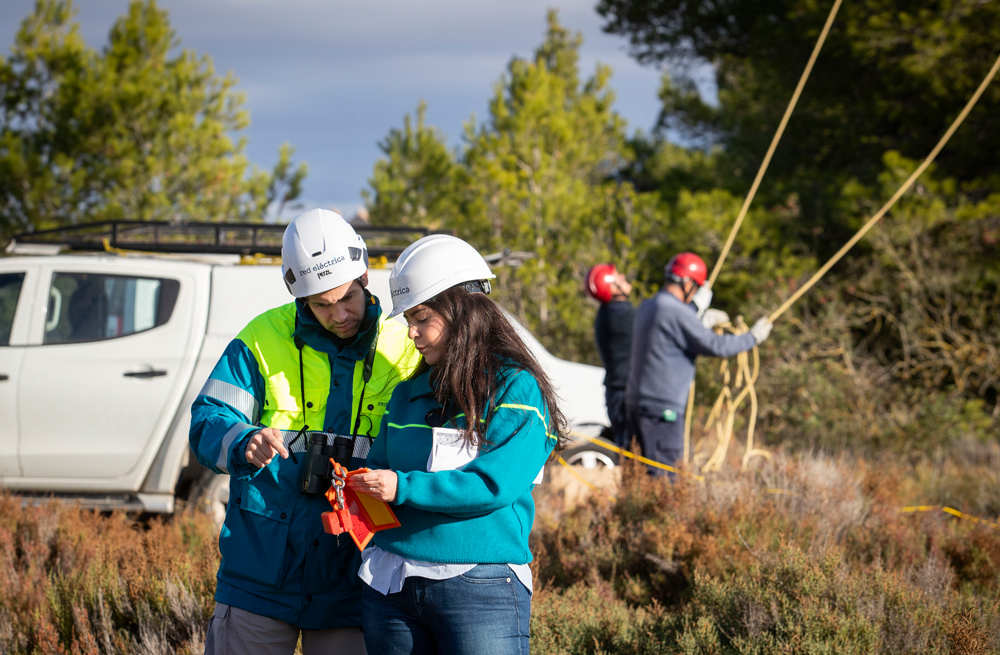
Discover what Red Eléctrica is, what we do, and why we are the backbone of the electricity system in Spain and the ecological transition.
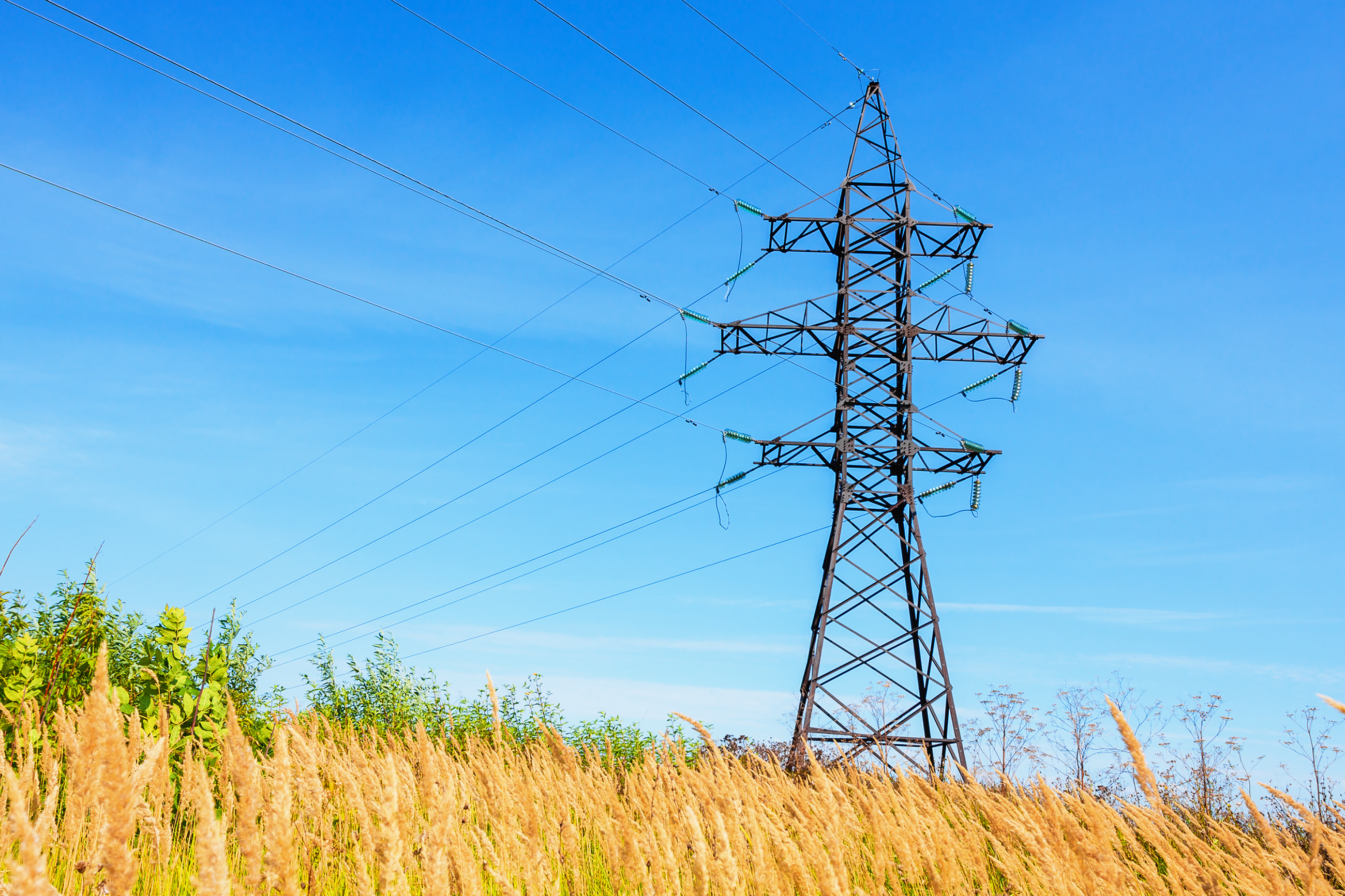

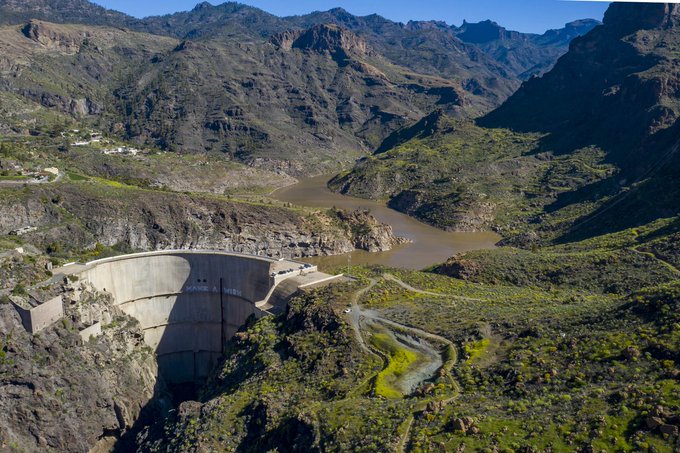
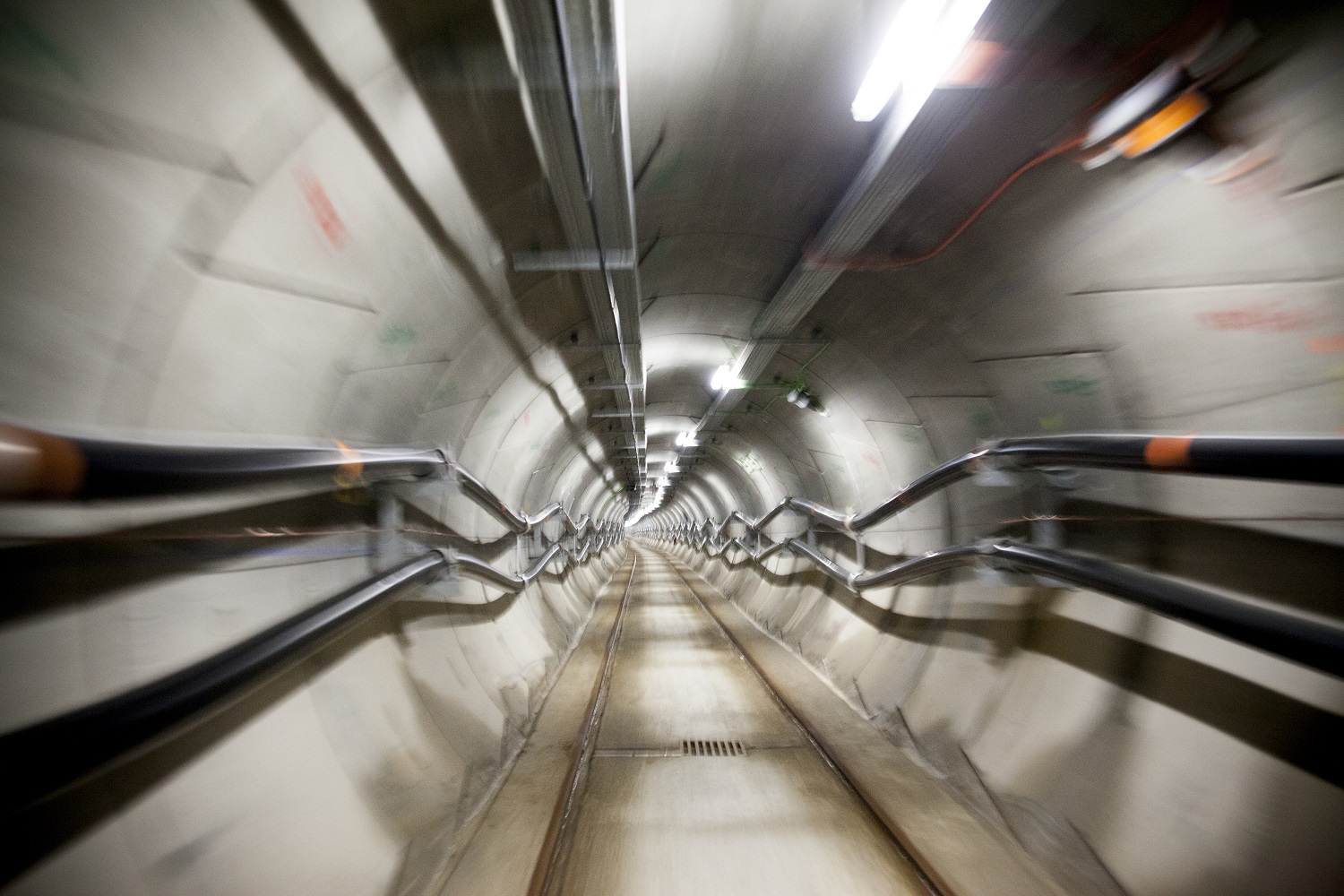



Tenerife and La Gomera form a new electricity subsystem in Islas Canarias
Red Eléctrica completes the underwater electrical interconnection between the islands of Tenerife and La Gomera
The new infrastructure reinforces security of supply, advances the energy transition in Islas Canarias, decarbonises La Gomera's electricity system, reduces overall generation costs and achieves greater renewable integration.
The interconnection comprises a 36 km, 66 kV double-circuit combined underground and submarine line and the new 66 kV substations of El Palmar, in La Gomera, and Chío, in Tenerife.
05/02/2026
Red Eléctrica, the Redeia subsidiary responsible for system operation and electricity transmission in Spain, has completed the underwater electrical interconnection works between the islands of Tenerife and La Gomera. This project is included in the current Electricity Transmission Grid Plan to reinforce supply, boost the ecological transition and provide greater autonomy and efficiency to the Islas Canarias system. The interconnection comprises a 66 kV double-circuit combined underground and submarine line and two new 66 kV substations at El Palmar (La Gomera) and Chío (Tenerife).
The Chairwoman of Redeia, Beatriz Corredor; together with the President of Islas Canarias, Fernando Clavijo; the Minister for Territorial Policy and Democratic Memory, Ángel Victor Torres; the Regional Minister for Ecological Transition and Energy of the Islas Canarias Government, Mariano Hernández Zapata; the President of the Island Council (Cabildo) of La Gomera, Casimiro Cubelo; the President of the Island Council of Tenerife, Rosa Dávila; and the Mayors of San Sebastián de La Gomera and Guía de Isora, Angélica Padilla and Ana Dorta, among other authorities, attended the presentation of the new infrastructure at the El Palmar substation, Red Eléctrica's first transmission grid facility on the island of La Gomera.
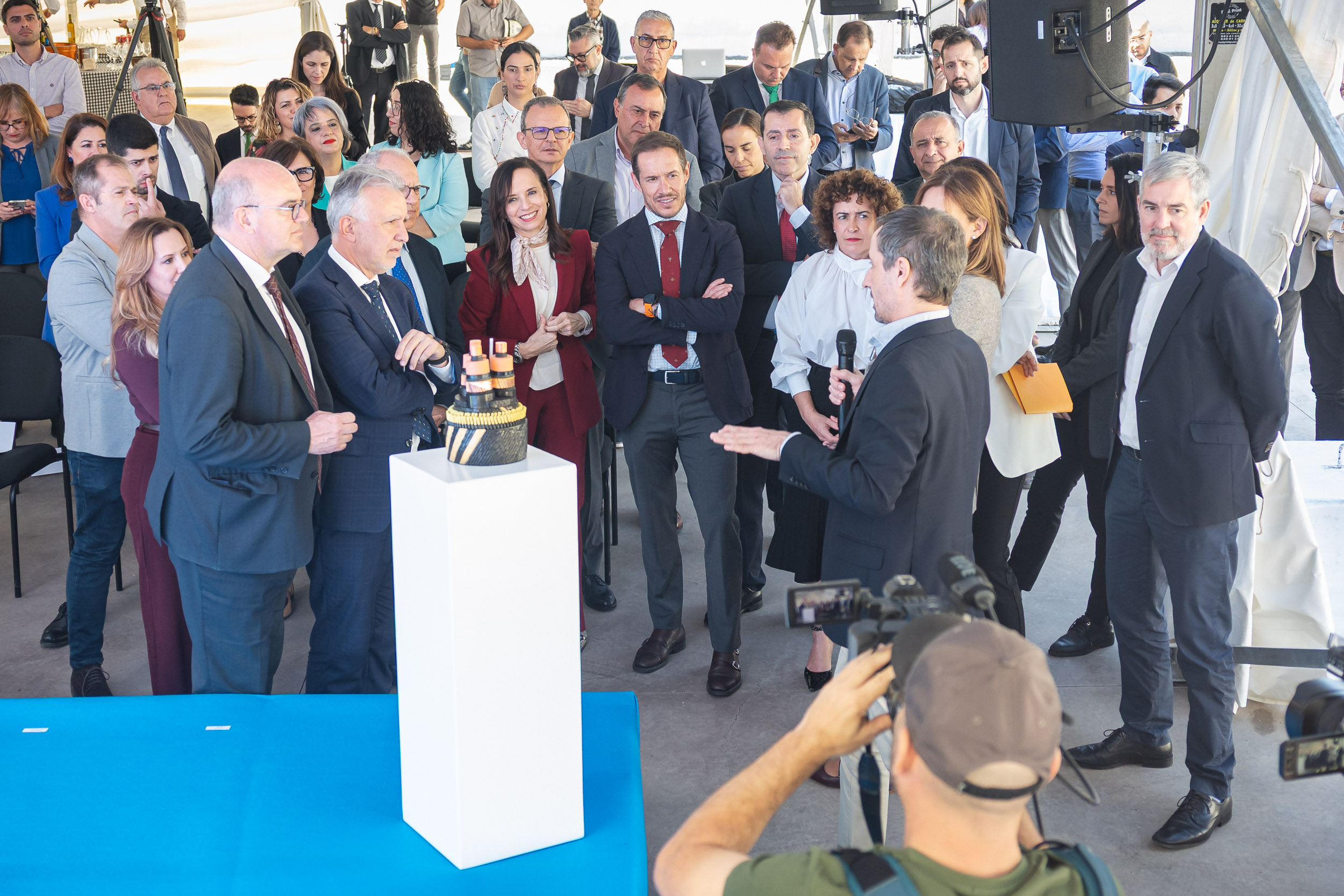
Redeia Chairwoman Beatriz Corredor highlighted the joint work of 'administrations, institutions, companies, associations and citizens' to carry forward 'an essential project that reinforces the security of the electricity supply in Islas Canarias, so that the people of Tenerife and La Gomera can enjoy a service with the same quality standards as the rest of the country'. She also highlighted Red Eléctrica's commitment to the archipelago, 'which will continue to be one of our priority territories with an unprecedented investment effort. Security of supply in Islas Canarias must be the same as in the rest of the national territory: equally sustainable, equally stable.'
The President of Islas Canarias, Fernando Clavijo, stated that the Tenerife-La Gomera interconnection 'represents a turning point in the electricity situation in La Gomera and has been made possible thanks to public-private collaboration, which is yielding such good results in boosting strategic projects for our Islands.' He added that 'this cable will allow the island to cease being energetically isolated and to form part, with Tenerife, of a single system that can provide mutual support in the event of breakdowns or the need for extra supply.'
The Minister for Territorial Policy and Democratic Memory, Ángel Víctor Torres, assured that infrastructures such as this represent 'an example of inter-administrative collaboration and a clear demonstration of how territorial cohesion can serve to improve services and the quality of life of citizens.' Torres remarked that the submarine cable will not only allow for the generation and integration of more renewable energy but also provide 'a safer environment to attract investment and innovate on equal terms with other territories,' he added.
The President of the La Gomera Island Council, Casimiro Curbelo, described this commissioning as a 'historic milestone' for La Gomera and the country, 'given that it was a project full of challenges that has been successfully brought to fruition through the excellent work of everyone involved.' In this regard, he insisted that the interconnection completely changes the electrical reality of La Gomera, creating a single system. 'We gain in security, in service provision quality and, of course, in possibilities to increase the penetration of renewable energy.'
His counterpart at the Tenerife Island Council, President Rosa Dávila, particularly valued the fact that 'this infrastructure, supported by the new 66 kV Chío substation in Guía de Isora, not only guarantees supply to La Gomera, but also strengthens the electricity grid in the west of Tenerife.' She added that 'Tenerife is here to help the rest of the islands; Islas Canarias is a fragmented territory, but in the face of challenges we act as a single system advancing together.'
The Mayor of San Sebastián de La Gomera, Angélica Padilla, recalled the total blackouts and their consequences for the population, considering the interconnection with Tenerife to be 'key to reinforcing safety and service quality'. The Mayor of Guía de Isora, Ana Dorta, highlighted that 'it places us in a key position within the energy system of Islas Canarias, demonstrates our commitment to inter-island cooperation and the energy transition, and provides greater security to the local electricity grid.'
Tenerife-La Gomera, a new electricity subsystem in Islas Canarias
The new link amounts to an investment of €145 million, in addition to that already executed in the Chío substation in Tenerife and the El Palmar substation in La Gomera, completed in December 2024 and July 2025, respectively.
Thanks to these investments, a second electricity subsystem is created in the archipelago – following that of Lanzarote-Fuerteventura – comprising two islands in Islas Canarias: La Gomera and Tenerife. The new infrastructure reinforces the quality and security of energy supply on both islands and provides La Gomera with the capacity to generate and integrate renewable capacity exceeding the island's total demand, allowing it to significantly reduce its dependence on fossil fuels. Furthermore, thanks to the interconnection, the island of Tenerife will be able to utilise La Gomera's surplus renewable generation, also reducing its dependence on fossil fuels and contributing to the reduction of greenhouse gas emissions. Likewise, this project reinforces the transmission grid on the western side of Tenerife.
The new infrastructure also represents a significant advance in the energy transition in Islas Canarias, allowing for the virtual decarbonisation of La Gomera's electricity system, reducing overall generation costs and achieving greater renewable integration in the system formed by both islands.
A project: a challenge guaranteeing sustainability
The laying of the cable posed a challenge in both its design and execution. The entire route of the interconnection has been designed with the aim of minimising the impact on the landscape and ensuring maximum protection of the vegetation and fauna in the areas through which it passes.
The submarine section is approximately 36 km long and runs at a maximum depth of 1,145 m, making it the deepest 66 kV AC three-core submarine link in the world. This required an adapted cable design, reinforced with lightweight materials capable of withstanding the demanding requirements of the environment in which the cable has been installed.
Due to its length and complexity, the landing of the cable on both islands has been a challenge to ensure the protection of the biodiversity of the shallower waters, given the unique and highly heterogeneous nature of the volcanic soils. In order to surmount this challenge, the directional drilling technique has been used, which consists of passing the underwater cable through a micro-tunnel that extends hundreds of metres from the coast, thereby avoiding any impact on the biological populations of the coastal section being drilled.
The infrastructure also consists of two fully underground land sections in La Gomera and Tenerife and two new substations: El Palmar in San Sebastián de La Gomera,
Both facilities incorporate Gas Insulated Switchgear (GIS) technology, which has allowed the substations to be integrated inside respective buildings, thereby reducing the necessary space and also their visual impact. This unique design, combined with its specialised equipment and multiple bays, ensures secure operation of the submarine interconnection.
The infrastructure has been carefully designed to blend with its surroundings and the region’s agricultural landscape. Specifically, the facade of the Chío substation replicates the terraces and blends in with the greenhouses deployed on the nearby land. In the case of the El Palmar substation in La Gomera, its facade replicates the tones of the landscape and adopts various colour schemes representing the volcanic origin of the islands and their geological link.
This action is included in the list of projects eligible for funding by the European Union – NextGenerationEU – Recovery, Transformation and Resilience Plan.
Downloads